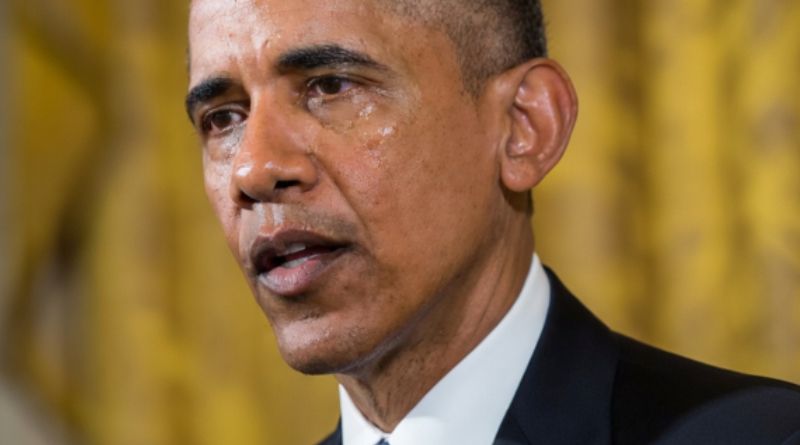
A new political debate has erupted after former U.S. president Barack Obama said that supporting Donald Trump represents what he described as a “disrespect for democracy.” The comment, delivered during a recent public appearance, quickly circulated across social media and political circles, triggering sharp reactions from both supporters and critics.
Obama framed his remarks around his long-standing concerns about the strength of democratic institutions in the United States. According to him, democracy requires more than simply participating in elections. It also depends on respecting the rule of law, trusting civic institutions, and accepting electoral outcomes even when they are unpopular. Obama suggested that backing leaders who, in his view, challenge these principles raises broader concerns about the direction of American democracy. Many supporters praised Obama for speaking candidly about what they see as threats to democratic norms. They argue that public figures have a responsibility to defend institutions and highlight behaviors that could weaken them. For these supporters, Obama’s statement reflects a broader warning about protecting the foundations of democratic governance.
However, critics — particularly among Trump supporters — responded strongly. They contend that Obama’s comment unfairly dismisses millions of Americans who support Trump as exercising their democratic right to choose a candidate. Some critics described the remarks as elitist, arguing that disagreement with political institutions or dissatisfaction with government leadership should not automatically be portrayed as hostility toward democracy. The controversy highlights the deep political polarization that continues to shape the national conversation. As the country moves deeper into an intense election cycle, statements from influential figures like Obama can quickly amplify divisions. Whether interpreted as a defense of democratic principles or an attack on political opposition, Obama’s remarks have once again demonstrated how sharply divided the American political landscape remains.