U.S. Escalates Pressure on Cuba with Arrest of Official’s Relative and Related Actions
WASHINGTON — The Trump administration has intensified its campaign against Cuba’s long-standing communist government, highlighted by the recent arrest and planned deportation of a relative of a senior Cuban official.
On May 22, 2026, U.S. Immigration and Customs Enforcement (ICE) Homeland Security Investigations arrested Adys Lastres Morera in Miami. She is the sister of Ania Guillermina Lastres Morera, executive president of Grupo de Administración Empresarial S.A. (GAESA), a military-controlled conglomerate that U.S. officials say dominates a significant portion of Cuba’s economy.
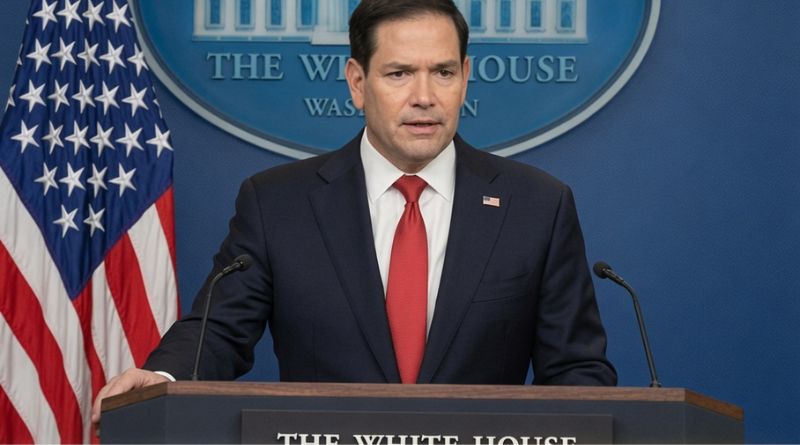
Secretary of State Marco Rubio announced that he personally revoked Lastres Morera’s lawful permanent resident status, which had been granted in January 2023. Officials determined that her presence in the United States posed a threat to American foreign policy interests due to alleged ties to the Cuban regime and GAESA’s operations. She remains in ICE custody pending deportation proceedings.
In a statement, Rubio emphasized a shift in policy: “For far too long, the family members of … repressive anti-American regimes … have been given a free pass to enjoy the privileges of living in the United States.” He noted that the administration is now targeting relatives of Cuban military elites and others linked to groups it views as threats to U.S. national security.
The action forms part of a broader strategy toward Latin America, sometimes referred to within the administration as the “Donroe Doctrine,” which places a strong emphasis on U.S. interests in the Western Hemisphere. Rubio, a Florida native of Cuban descent and former senator, has been a central figure in shaping these policies.
Additional measures include efforts to restrict Venezuelan oil shipments to Cuba, contributing to reported fuel shortages and economic difficulties on the island. Last week, federal prosecutors unsealed an indictment against former Cuban President Raúl Castro, charging him in connection with the 1996 downing of civilian aircraft operated by Miami-based exiles, an incident that killed four people, including three Americans.
Cuba’s government, in power since the 1959 revolution led by Fidel Castro, has faced decades of U.S. sanctions. The Trump administration’s moves signal a more confrontational approach aimed at increasing pressure on Havana’s leadership. Cuban officials have condemned the actions as interference in their internal affairs.
As these developments unfold, observers are watching closely to see whether the combined economic, legal, and diplomatic pressures will lead to significant changes in Cuba or further escalation in U.S.-Cuba relations. The administration has indicated readiness to support the Cuban people amid the island’s ongoing challenges, while maintaining a firm stance against the current regime.