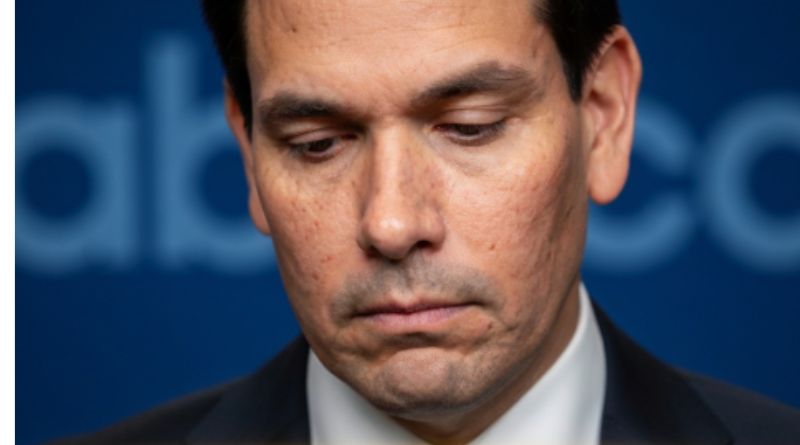
Marco Rubio’s growing influence over federal regulatory oversight signals a quiet but significant shift in how rules are shaped in Washington. At the center of this change is the Office of Information and Regulatory Affairs (OIRA), a small but powerful office within the Office of Management and Budget. OIRA serves as the federal government’s regulatory checkpoint, reviewing major rules proposed by agencies before they can take effect. Under President Donald Trump’s second administration, regulatory review has been strengthened as part of a broader effort to reduce federal regulations and increase efficiency. Supporters view this approach as a way to limit government overreach and lower compliance costs for businesses. Critics, however, worry that it concentrates too much power in the White House and reduces transparency in decisions that affect public health, labor protections, and the environment.
Federal agencies such as the Environmental Protection Agency, U.S. Department of Labor, and U.S. Food and Drug Administration regularly submit significant regulatory proposals to OIRA for review. The office examines the potential costs and benefits of each rule and ensures it aligns with administration priorities. During this process, OIRA can request revisions, demand additional data, or delay approval for extended periods. While OIRA rarely rejects rules outright, prolonged reviews can effectively stall them. Critics argue that these delays function as a quiet veto, allowing policies to fade away without formal debate or public explanation.
Rubio’s expanded role connects him to this influential process. Known for balancing public messaging with behind-the-scenes strategy, he now has greater visibility into how regulatory decisions move forward—or fail to advance. The broader impact could shape policies affecting environmental safeguards, worker protections, and consumer safety. Whether this shift leads to smarter oversight or weaker safeguards remains a matter of political debate. What is clear, however, is that the power to influence regulation often operates quietly, far from the spotlight of Congress or public hearings.