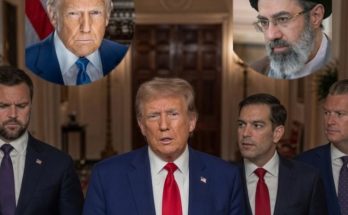
What is emerging, according to critics, is less a narrowly partisan controversy than a broader indictment of Washington’s political culture. For years, Jeffrey Epstein’s network was frequently invoked as evidence of moral and institutional failure, often framed through the lens of partisan conflict. Yet renewed scrutiny of old records and personal associations has fueled questions that extend well beyond a single party.
Attention has recently focused on claims that prominent Democratic figures, including Hakeem Jeffries, may have had some form of contact or outreach connected to Epstein after his 2008 conviction. If substantiated, such interactions would complicate narratives that portrayed the scandal as belonging exclusively to one political camp. At the same time, many of the allegations circulating online remain unverified, and observers caution against treating speculation as established fact.
The larger issue, some analysts argue, is the appearance of a political and financial elite moving within overlapping circles of wealth, influence, and access. Donors, social events, and elite networks often transcend partisan boundaries, creating the perception that public denunciations and private relationships do not always align. In that sense, the controversy speaks not only to individual conduct but to a system in which powerful figures from across the ideological spectrum can inhabit the same exclusive spaces.
If additional records emerge, the consequences may extend beyond short-term political fallout. Public trust is shaped as much by perceptions of unequal accountability as by any single revelation. For many Americans, the central question is no longer whether one party or the other bears responsibility, but whether a culture of privilege and insulation allowed influential people to believe that uncomfortable associations would never face meaningful public examination.