The backlash exploded because the joke collided with a moment of real violence. What might once have been dismissed as sharp late-night satire suddenly felt different after an assassination attempt against Donald Trump. In that atmosphere, even a line delivered for laughs began to sound, to some people, like something darker.
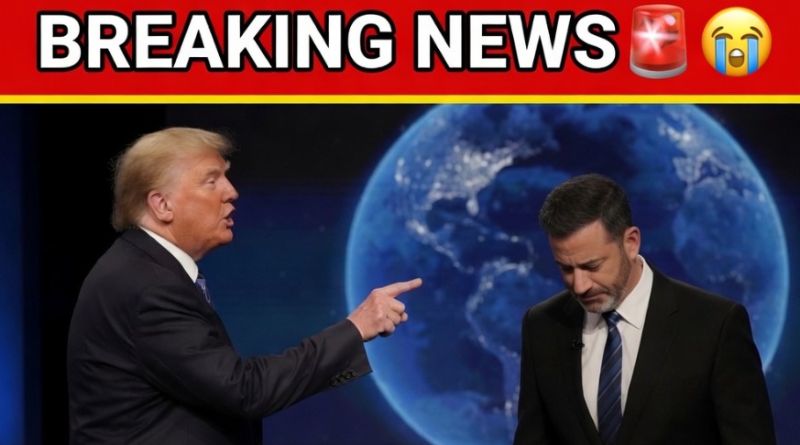
At the center of the storm was Jimmy Kimmel, whose “expectant widow” remark about Melania Trump resurfaced almost instantly after the shooting. Critics argued the joke reflected a culture that increasingly treats political hatred as entertainment. Supporters countered that satire has always targeted powerful figures and that comedians cannot be blamed for acts of violence committed by others.
Kimmel’s response tried to draw that distinction clearly. He argued that mocking a political figure is not the same as endorsing harm against them, and pointed to his long history of criticizing America’s gun culture rather than celebrating it. But the outrage was never only about intent. It was about timing, tone, and exhaustion. In a country already stretched thin by political rage, people heard the joke through the echo of gunfire.
Trump’s allies demanded consequences, portraying the moment as proof that media culture has normalized contempt toward conservatives. Kimmel, meanwhile, pushed back hard against what he viewed as selective outrage, arguing that Trump himself has spent years using inflammatory rhetoric against opponents, journalists, and critics. That clash made the controversy feel larger than one joke or one comedian. It became another battle in America’s endless argument over who is allowed to speak recklessly — and who gets condemned for it.
What remains unsettled is the deeper fear underneath the outrage: Americans increasingly struggle to separate performance from provocation. Political speech now moves at the speed of social media, where sarcasm, anger, threats, and comedy blur together until motives become impossible to untangle. A punchline can become evidence. A rant can sound like permission. A joke can suddenly carry the emotional weight of a weapon.
That is why the moment felt so unsettling. Not because everyone agreed the joke crossed a line, but because nobody seems able to agree where the line is anymore.