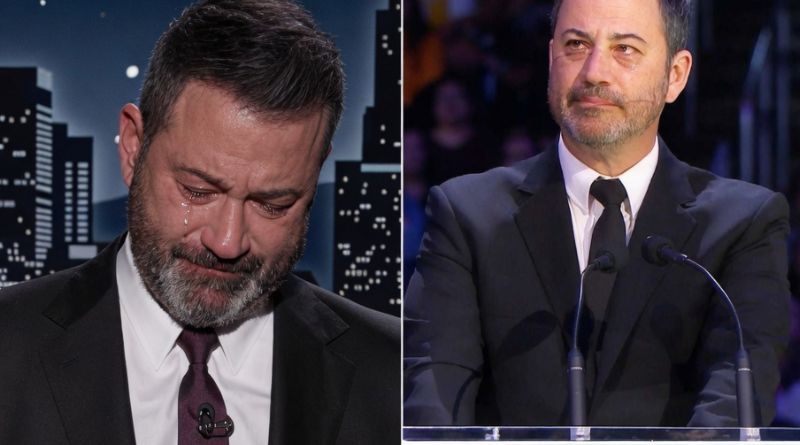
For nearly two decades, Jimmy Kimmel has remained one of the defining figures of modern late-night television. His blend of celebrity interviews, political satire, emotional monologues, and viral comedy sketches helped transform Jimmy Kimmel Live! into a staple of ABC’s nighttime lineup.
But after a recent controversy involving comments directed at First Lady Melania Trump, the longtime host now finds himself at the center of one of the biggest public backlash storms of his career.
In recent days, social media has exploded with rumors claiming Kimmel has lost tens of millions of dollars in sponsorships and advertising partnerships. Some viral posts have even suggested the comedian could be “going broke” if advertisers continue distancing themselves from his program.
At the moment, however, there is no verified evidence confirming that Kimmel personally lost $50 million in sponsorship deals. Multiple fact-check reports have stated that some of the largest viral claims circulating online appear exaggerated or unverified. Still, the controversy itself is very real — and it has intensified pressure on both Kimmel and ABC at a time when late-night television is already facing declining ratings and growing political division.
The situation escalated dramatically after a security incident connected to the actual White House Correspondents’ Dinner took place days later. Critics accused Kimmel of contributing to a toxic political climate, while supporters argued the joke was standard late-night satire and was delivered before the incident occurred.
Soon after, both President Trump and Melania Trump publicly called on ABC to fire Kimmel. Trump labeled the comedian “seriously unfunny,” while Melania described the remarks as hateful and irresponsible.
Several posts alleged companies such as Coca-Cola and Skechers had cut ties with the late-night host following public pressure from conservative audiences. But fact-checkers later reported there was no official confirmation supporting those claims.
Online commentators have continued speculating about the financial impact the controversy could have on ABC, Disney, and Kimmel’s future. Some conservative influencers have argued advertisers may quietly distance themselves to avoid political backlash, while others believe corporations are unlikely to make dramatic decisions based solely on social media outrage.
The reality is that sponsorship relationships in television are often far more complicated than viral headlines suggest.
Advertisers typically buy placements through broader network agreements rather than through direct personal endorsements with individual hosts. That means even if controversy affects a show’s reputation, it does not necessarily mean sponsors immediately walk away.
Still, perception matters in television — especially in an era where advertisers monitor online sentiment closely.
The timing of the controversy could not be worse for ABC. According to multiple reports, Disney executives are already facing pressure related to federal regulatory scrutiny involving ABC station licenses. Although FCC Chairman Brendan Carr has denied the review is politically motivated, critics argue the timing raises serious concerns because it followed public demands from Trump allies targeting Kimmel.
Behind the scenes, reports suggest ABC executives have entered internal discussions regarding the network’s handling of the situation. Some insiders claim executives are worried about advertiser perception, audience polarization, and the broader business impact of the controversy. So far, ABC has not announced any plans to remove Kimmel from the air.
In fact, Kimmel has continued addressing the controversy directly during his monologues, often responding with more jokes and criticism aimed at Trump and his supporters.
That approach has earned praise from free speech advocates and critics alike. The controversy surrounding Kimmel also highlights a broader issue facing late-night television itself. Over the last decade, traditional late-night programs have steadily lost cultural dominance. Younger audiences increasingly consume entertainment through YouTube clips, podcasts, TikTok videos, livestreams, and independent creators instead of watching full television broadcasts.
Many late-night hosts have leaned heavily into political commentary in recent years, particularly during election cycles and major national controversies. Supporters view these monologues as necessary social commentary, while critics see them as partisan activism disguised as comedy. As a result, late-night audiences have become increasingly fragmented. Some viewers now avoid certain hosts entirely because they disagree politically. Others actively support hosts precisely because of their political positions. That dynamic creates an unstable environment for networks trying to maintain broad mainstream appeal.
In Kimmel’s case, critics argue his humor has become too politically aggressive. Supporters counter that comedians have always challenged powerful political figures and that backlash campaigns are attempts to silence criticism.
Even Republican Senator Ted Cruz unexpectedly defended Kimmel against government pressure, warning that using federal agencies against comedians could create dangerous precedents for free speech.
Despite sensational online headlines, there is currently no credible evidence suggesting Jimmy Kimmel is financially collapsing or facing personal bankruptcy. Kimmel remains one of television’s highest-profile personalities and has spent years building substantial wealth through television contracts, production deals, endorsements, and investments.
However, controversies like this can still create long-term reputational and business challenges. If ratings decline significantly, advertisers become nervous, or network executives decide political risk outweighs profitability, pressure could intensify quickly. Television history is filled with examples of major personalities losing influence faster than expected after public backlash moments.
At the same time, controversy can also energize audiences and strengthen loyalty among supporters. For now, Kimmel appears determined to continue fighting publicly rather than stepping back. Whether that strategy helps him survive the storm — or deepens the divide surrounding his show — remains one of the biggest questions hanging over the future of late-night television.