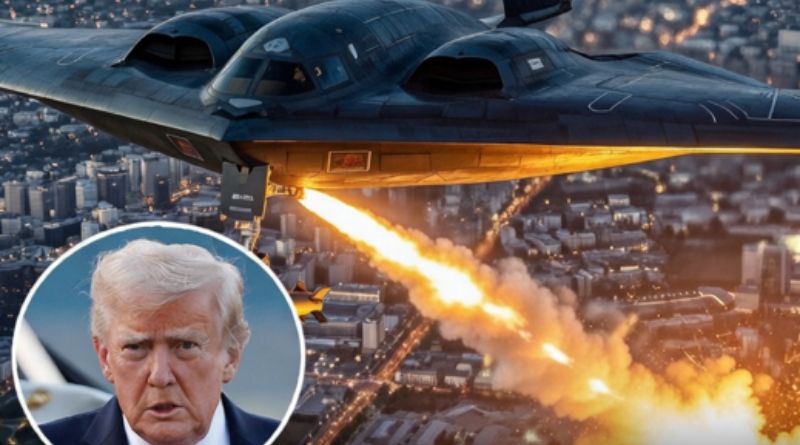
Recent tensions involving the United States, Israel, and Iran have attracted global attention and raised concerns about the possibility of wider conflict. News coverage and social media discussions have led some people to fear that the situation could escalate into a global war. However, most defense experts stress the importance of separating verified developments from speculation. Military exchanges and political tensions in the Middle East have increased regional instability. Iran, Israel, and allied groups have been involved in missile strikes, drone attacks, and military operations across several locations. These developments have also affected important trade routes, particularly the Strait of Hormuz, through which a significant portion of the world’s oil supply passes. Disruptions in this area have contributed to fluctuations in energy prices and economic uncertainty.
Despite the seriousness of the conflict, analysts generally agree that a global war remains unlikely. Major powers tend to avoid direct confrontation and instead pursue controlled escalation, diplomatic pressure, and negotiations to prevent broader conflict. International institutions such as the United Nations have also called for restraint and dialogue to reduce tensions. While fears of a large-scale war often grow during geopolitical crises, experts emphasize the importance of focusing on realistic preparedness rather than panic. Governments and emergency agencies commonly recommend that households be prepared to function independently for at least 72 hours during emergencies. This guideline applies not only to conflict scenarios but also to natural disasters, power outages, and other disruptions.
Basic emergency supplies may include drinking water, non-perishable food, flashlights, batteries, a first-aid kit, important documents, and communication tools such as a battery-powered radio. Having a simple family communication plan can also help people stay connected during emergencies. Overall, staying informed through reliable sources and preparing for common disruptions can help individuals remain calm and resilient during uncertain times without assuming that global conflict is inevitable.