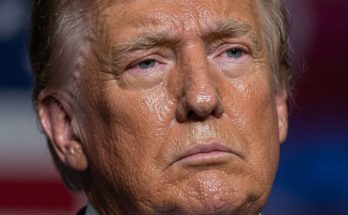
A viral political headline recently swept across social media claiming that “30 minutes ago in Utah, Charlie Kirk’s wife was confirmed as…” followed by suggestions that she had been appointed to a major public position. The post spread rapidly, triggering celebration from supporters, criticism from opponents, and widespread speculation online. Yet despite the dramatic framing, no official evidence has emerged to support the claim.
The rumor centered on Erika Frantzve Kirk, wife of conservative commentator and Turning Point USA founder Charlie Kirk. Erika Kirk has built her own public profile through nonprofit work, faith-based initiatives, business ventures, and community engagement programs. A former Miss Arizona USA, she has also pursued studies in Christian ministries and law while remaining active in podcasting and civic outreach efforts.
Because of her visibility within conservative and religious circles, the viral post quickly attracted attention. However, many readers noticed that the claim lacked important details. The headline never identified the exact role she was supposedly confirmed for, which agency or office was involved, or what authority approved the appointment. Those missing facts immediately raised questions about whether the story was legitimate.
In the United States, appointments to significant state positions are normally documented through official channels. Governors’ offices issue public announcements, legislatures record confirmations, and state agencies update their leadership rosters. Local news organizations also typically report major appointments quickly, especially when they involve nationally recognizable figures.
In Utah, no such confirmation appeared. Neither the Office of the Governor of Utah nor the Utah State Legislature released statements naming Erika Kirk to any state role. Searches of publicly available appointment records likewise failed to show evidence supporting the viral claim. Major Utah news outlets, including the Deseret News and the Salt Lake Tribune, also did not publish reports confirming such an appointment.
The absence of official documentation strongly suggests the story was either misleading or entirely fabricated. While Erika Kirk remains active in civic and nonprofit spaces, there is no verified indication that she currently holds an official government position in Utah.
Political rumors involving spouses and family members are increasingly common in the social media era. Public figures connected to high-profile political personalities often become targets of speculation because their names already attract attention and engagement online. In many cases, ordinary civic involvement becomes exaggerated into claims of political power or government influence.
This pattern is especially common in polarized political environments. Supporters may eagerly share positive rumors because they align with their views, while critics spread the same stories to express outrage or suspicion. As the claim circulates repeatedly, many readers begin assuming it is true simply because they have seen it multiple times. Repetition can create the illusion of credibility even when no evidence exists.
The Erika Kirk rumor also highlights how vague wording contributes to misinformation. Terms such as “officially confirmed,” “major role,” or “breaking appointment” sound authoritative while avoiding specific details that could easily be fact-checked. Without a named office, agency, or confirmation authority, readers are left filling in the blanks themselves.
Fact-checking claims like these requires only a few simple steps. First, readers should check official government websites and public statements. State appointments are generally transparent and publicly documented. Second, people should look for reporting from established news organizations rather than relying solely on social media posts or partisan blogs. Third, readers should be cautious of emotionally charged headlines designed to provoke instant reactions before facts are verified.
Independent fact-checking organizations such as PolitiFact, Snopes, and Associated Press Fact Check also regularly investigate viral political claims and misleading online narratives.
The broader issue extends beyond a single rumor. False or exaggerated stories about political figures can distort public understanding, increase distrust, and distract from meaningful political discussion. When inaccurate claims spread faster than verified information, public debate becomes shaped more by emotion and speculation than by facts.
At the same time, civic involvement by spouses of public figures is not unusual. Throughout American history, political spouses have participated in nonprofit work, education initiatives, advocacy campaigns, and charitable organizations without holding formal government office. Erika Kirk’s community and faith-based activities fit within that long tradition of public engagement.
Ultimately, the viral Utah headline appears unsupported by evidence. No official records confirm that Erika Kirk has been appointed to a government role, and no credible reporting substantiates the claim. The episode instead serves as another reminder of how quickly online rumors can spread and why careful verification remains essential in modern political discourse.