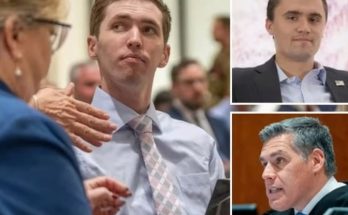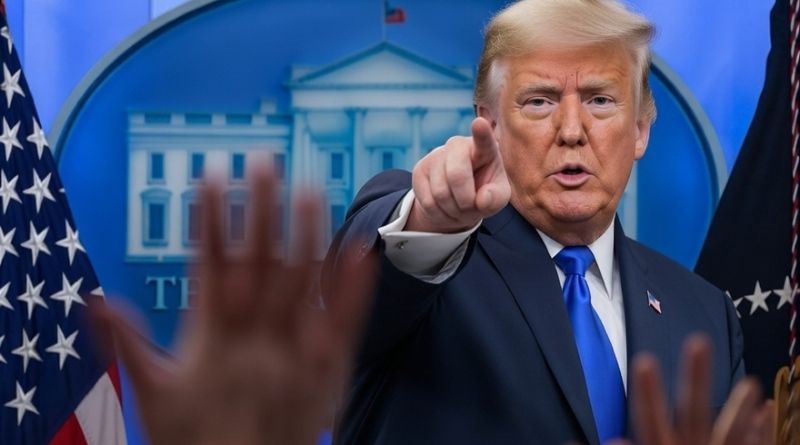
The political landscape of Washington D.C. is in upheaval following President Donald Trump’s appointment of Dan Bongino as Deputy Director of the Federal Bureau of Investigation (FBI). This strategic move signals a hard-line shift in the administration’s approach to the intelligence community, culminating years of escalating tension between conservative figures and federal bureaucracy. Bongino, a former Secret Service agent and outspoken critic of the “deep state,” views his ascent to the FBI’s second-highest position as a necessary reckoning, while critics decry it as a radical politicization of the bureau.
The appointment closely followed a blistering critique from Bongino targeting Senator Adam Schiff, whom he accused of being a principal architect of the “Russia collusion hoax”—a narrative he believes was manufactured to destabilize a sitting president. Bongino declared his mission to prevent the “calculated weaponization of our most powerful intelligence tools.” This move comes amid former President Joe Biden’s controversial preemptive pardon for Schiff, covering potential offenses related to his work on the House January 6th Committee. While Schiff maintains innocence, Trump allies interpret the pardon as an admission of guilt.
As Deputy Director, Bongino is poised to launch a sweeping internal audit of the FBI’s past conduct. His objectives include reevaluating politically charged investigations, implementing strict protocols against perceived partisan bias, and holding past intelligence officials accountable for “years of systemic corruption.” This agenda has drawn swift defense from former January 6th Committee leaders, Rep. Bennie Thompson and Liz Cheney, who assert their work was fact-based. The Trump administration, however, views Bongino’s role as critical for “cleaning house” within the bureau.
Bongino’s transition from media commentator to high-ranking official signifies a unique phenomenon, leveraging his “outsider” status to challenge bureaucratic inertia. His presence at the FBI’s upper echelon sets the stage for dramatic restructuring and a significant “shake-up” among career officials. The intersection of Biden’s pardon and Bongino’s aggressive investigative team creates a legal “no-man’s-land,” potentially requiring Supreme Court intervention. Ultimately, Bongino’s appointment strips away the FBI’s “apolitical” pretense, acknowledging the battle for its institutional integrity as a central modern political struggle, fundamentally changing the rules of engagement in Washington.