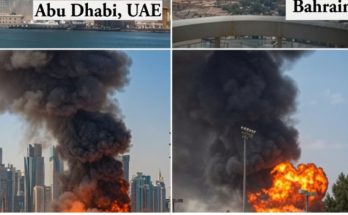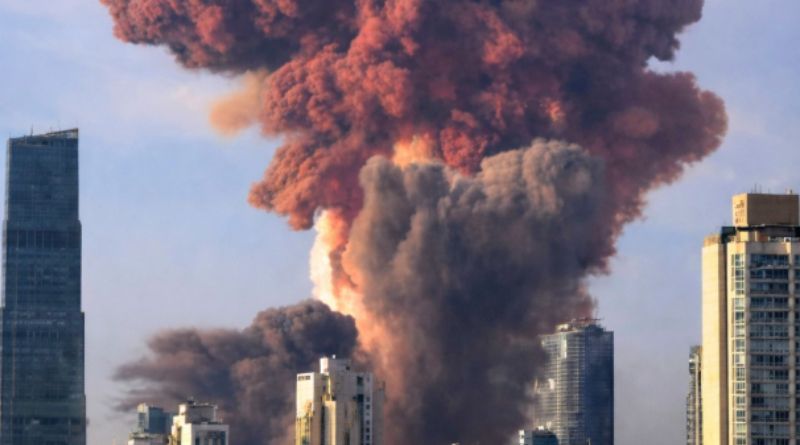
This is a hypothetical scenario analysis describing an imagined escalation between Israel and Iran involving alleged United States participation built on long-standing concerns over Iran’s nuclear capabilities and regional tensions.
For decades Israeli security strategy has been shaped by the possibility of a nuclear armed Iran combining diplomacy covert operations cyber activity and limited strikes to delay perceived progress. In this scenario escalation begins after intelligence assessments suggest Iran is approaching a nuclear threshold while internal unrest weakens its domestic stability.
According to the narrative Israeli and U.S. forces launch a coordinated military operation on February 28 2026 targeting nuclear facilities missile infrastructure and command centers across Iran. The scenario claims that high level Iranian leadership is struck early including the reported death of Supreme Leader Ali Khamenei which triggers shock across the region and accelerates military escalation.
Subsequent phases involve expanded strikes on energy infrastructure including oil refineries gas fields and transportation networks leading to economic disruption and global energy price volatility. Nuclear facilities such as enrichment sites are described as central targets while Iran responds with ballistic missile attacks on Israeli territory resulting in civilian casualties and damage.
The scenario also includes wider regional effects with strikes and counterstrikes involving proxy forces in Lebanon and other neighboring areas contributing to displacement and humanitarian strain. International reactions are portrayed as divided with some states offering support for Israeli and U.S. actions while others condemn the escalation and call for restraint and ceasefire negotiations.
Humanitarian consequences are significant in this account including civilian deaths infrastructure damage and medical system strain prompting global concern from aid organizations. The narrative highlights strategic implications such as potential shifts in regional power balance increased risk of broader war and disruption of global energy markets.
It further describes continued exchanges of missile fire between Iran and Israel alongside ongoing strikes on infrastructure and military assets. As the scenario develops it portrays an unstable environment marked by uncertainty escalation risk and international diplomatic tension. The account concludes that such a conflict would represent a major transformation in Middle Eastern geopolitics with long term consequences for security alliances economic stability and civilian populations across the region.
In assessing this hypothetical scenario analysts often emphasize the uncertainty inherent in rapid military escalation where miscalculation or incomplete intelligence can dramatically alter outcomes. They also note that the involvement of multiple external powers increases the risk of spillover beyond the immediate region particularly through maritime routes and global energy supply chains.
Diplomatic channels in such a situation would likely become highly strained with emergency negotiations occurring under active conflict conditions. Humanitarian agencies would face severe challenges in accessing affected populations especially in heavily targeted urban areas and disrupted infrastructure zones.
The scenario underscores how quickly regional conflicts involving technologically advanced militaries could escalate into broader crises affecting global markets political alliances and civilian security. It further illustrates the central role of nuclear proliferation concerns in shaping modern deterrence strategies and preemptive defense doctrines.
Ultimately the analysis presents a highly volatile environment where strategic decisions carry far reaching consequences extending well beyond the immediate combatants making regional stability dependent on rapid de escalation mechanisms and sustained diplomatic engagement. Such scenarios are frequently used in strategic studies to evaluate risks associated with nuclear brinkmanship and conventional military escalation highlighting the importance of communication channels crisis management frameworks and international coordination in preventing unintended escalation and reducing civilian harm in high risk conflict environments worldwide across the world today.