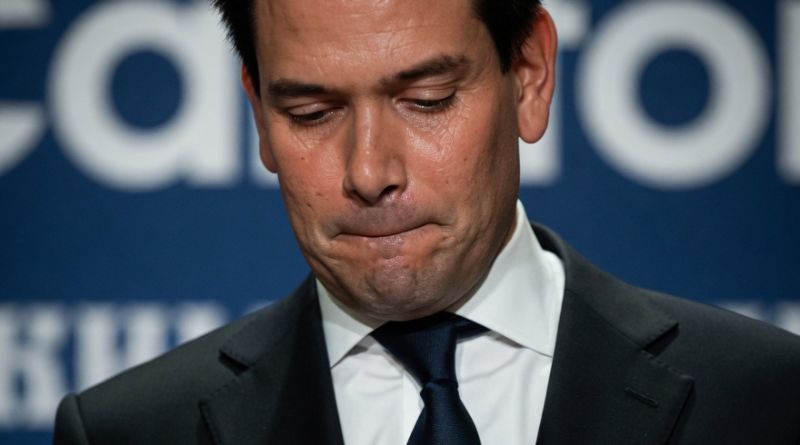
The reported shift involving Marco Rubio is not a routine promotion or title change. Instead, it reflects a subtle redistribution of influence within the federal government’s regulatory system. At the center of this development is oversight tied to the Office of Information and Regulatory Affairs, a little-known but highly consequential office within the Office of Management and Budget.
This office does not write laws or directly manage federal agencies. Its authority lies in reviewing major regulations before they are finalized. In practice, that gives it the power to shape which policies move forward and which stall. Environmental, labor, and public health rules all pass through this process, making it a central checkpoint in policymaking.
Unlike more visible branches of government, this form of oversight operates largely behind the scenes. It can request revisions, extend review timelines, or return proposals without detailed public explanation. As a result, its influence often appears indirect. Policies may quietly change—or never emerge at all—without a clear record of why.
For many years, this system attracted limited public attention due to its technical nature. That is now shifting. Growing concerns about transparency and accountability have brought new scrutiny to how regulatory decisions are made. Observers are increasingly questioning how such significant authority can function with minimal visibility.
Supporters argue that centralized review improves coordination across agencies and prevents unnecessary or conflicting regulations. Critics, however, warn that concentrated authority without clear oversight risks undermining accountability. The debate reflects a broader tension in governance between efficiency and transparency.
With this shift, focus turns to how Rubio approaches the role in practice. The real impact will likely be seen not in public statements, but in internal decisions such as review speed, consistency, and communication with agencies.
Ultimately, this moment highlights a broader reality in Washington: power often operates through procedure rather than public debate. As awareness grows, these hidden mechanisms may become a more prominent part of how people understand government decision-making.