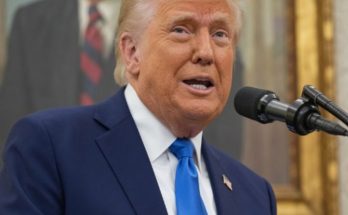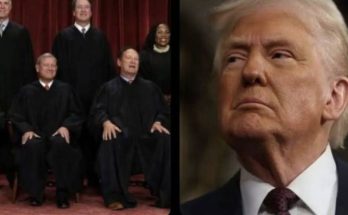
Alarm spread rapidly across social media today after viral posts claimed that Donald Trump had been “shot again” in Washington, D.C.. The dramatic phrasing triggered immediate concern, fueling speculation and emotional reactions from both supporters and critics. However, as the situation unfolded, it became clear that the alarming claim lacked any factual basis and was not supported by credible information.
No reputable news organization, law enforcement agency, hospital, or official government source has confirmed any such incident. In events involving a high-profile public figure like a former U.S. president, verified information typically emerges within minutes through major media outlets or official statements. The absence of confirmation from institutions such as the United States Secret Service strongly indicates that the viral claim is false.
The confusion appears to have originated from misleading content circulating online. Some posts reused old footage, while others relied on sensational headlines or vague, unverified accounts. These types of posts are often designed to maximize engagement rather than convey accurate information. In today’s fast-moving digital environment, misinformation can spread widely before it is properly challenged or corrected.
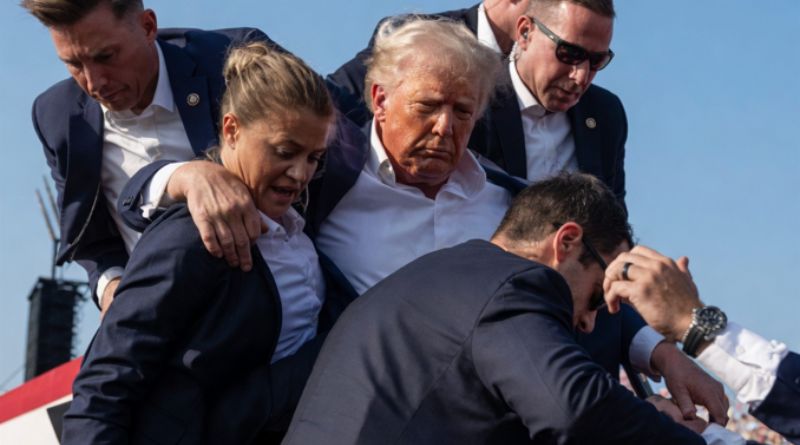
Part of the misunderstanding may also stem from a real and widely reported incident in 2024, when Trump was injured during an assassination attempt at a rally in Butler, Pennsylvania. That event prompted extensive media coverage, official investigations, and increased security measures surrounding the former president. Since then, authorities have addressed additional threats, but there has been no confirmed repeat of such an attack.
Experts warn that false reports like this are not harmless. They can create unnecessary panic, overwhelm emergency services, and divert attention from legitimate public safety concerns. Repeated exposure to misinformation also risks weakening public trust in reliable news sources and official communications.
Political analysts note that prominent figures like Trump are frequent targets of misleading or fabricated stories, especially during periods of heightened political tension. Sensational claims are often crafted to provoke strong reactions, encouraging rapid sharing without verification. In many cases, the goal is to generate clicks, amplify outrage, or deepen divisions rather than inform the public.
At this time, all verified information confirms that there has been no new shooting involving Donald Trump in Washington, D.C., or elsewhere. Authorities continue to urge the public to rely on trusted news outlets and official statements when evaluating breaking news.
This incident serves as a reminder of how easily misinformation can spread and how important it is to pause before reacting. Careful verification and critical thinking remain essential tools for navigating today’s information landscape.