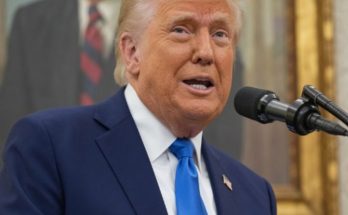
On a tense Thursday that sent shockwaves through the nation, federal prosecutors unveiled a sweeping indictment against the former president, accusing him of a deliberate scheme to subvert the country’s most fundamental democratic processes. The charges painted a picture of calculated conspiracies aimed at undermining the peaceful transfer of power, including efforts to obstruct official proceedings and interfere with constitutional rights.
The indictment, filed in the U.S. District Court for the District of Columbia, centered on four felony counts: conspiracy to defraud the United States, conspiracy to obstruct an official proceeding, obstruction of an official proceeding, and conspiracy against rights. Prosecutors alleged that the former commander-in-chief and his allies engaged in a multi-part plan involving knowingly false claims of widespread election fraud, the creation of alternate slates of electors in key battleground states, and pressure on state and federal officials—including the vice president—to alter or delay the certification of the 2020 election results.
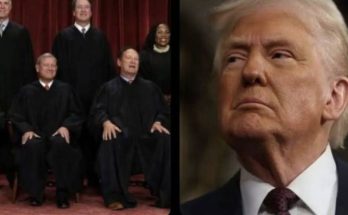
While the document outlined broad allegations of misconduct, many critical details remained under seal, including portions of evidence and the identities of certain unindicted co-conspirators. Legal experts noted that the case would hinge on distinguishing between protected official acts and private conduct, especially following the Supreme Court’s landmark presidential immunity ruling.
Allies of the former president quickly denounced the charges as politically motivated “lawfare” designed to interfere with the electoral process. Critics, meanwhile, hailed the indictment as a necessary stand for accountability, arguing that no one—not even a former president—should be above the law when it comes to safeguarding the integrity of American democracy.
The case immediately intensified an already polarized political landscape. Supporters viewed the prosecution as an unprecedented weaponization of the justice system against a leading political figure. Opponents saw it as a vital test of whether the nation’s institutions could hold powerful individuals accountable for actions that appeared to threaten the constitutional order.
As the proceedings moved forward, the judicial system faced the daunting task of weighing complex evidence, legal precedents, and constitutional questions in one of the most closely watched cases in modern American history. The outcome carried profound implications not only for the accused but for public trust in elections, the limits of executive authority, and the rule of law itself.
For ordinary citizens following the developments from afar, the indictment served as a stark reminder of the enduring tension between political power and legal accountability. Regardless of personal opinions about the former president, the case underscored the importance of allowing the courts to function without premature judgment or excessive speculation. Patience, careful attention to verified facts, and respect for due process will be essential as the nation navigates this pivotal moment in its democratic journey.