The controversy has continued to reverberate beyond initial political statements, evolving into a broader discussion about how allied nations acknowledge shared military history and the language used by senior officials when referencing combat experience.
Within defence circles, the dispute has been interpreted less as a single diplomatic misstep and more as a reminder of the sensitivity surrounding the legacy of the Iraq War and Afghanistan War—conflicts in which coalition forces operated side by side for two decades. British military commentators have noted that even offhand remarks can carry significant weight, particularly when they touch on casualties and operational cooperation.
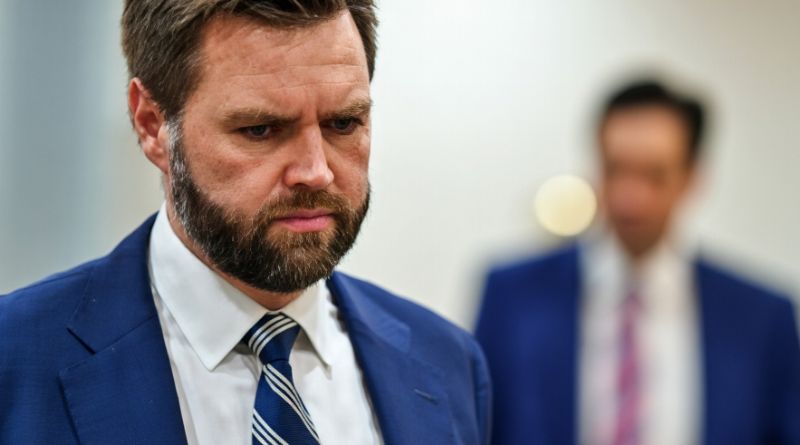
At the heart of the criticism is the perception that remarks attributed to J.D. Vance risked minimizing the contribution of allied forces who fought and died alongside American troops. Veterans’ groups in the United Kingdom have stressed that the figure of 636 British service members lost in Iraq and Afghanistan is not only a statistic, but a symbol of sustained commitment to joint operations under NATO and coalition frameworks.
Political observers in London argue that the response from figures such as Keir Starmer reflects an effort to de-escalate while still firmly defending the reputation of British armed forces. The emphasis has been placed on maintaining diplomatic stability with Washington while ensuring that the sacrifices of UK personnel are formally recognized.
Opposition voices, including James Cartlidge and James Cleverly, have continued to call for clearer acknowledgments from U.S. officials, warning that perceived dismissiveness could strain public sentiment even if it does not alter formal defence cooperation. Meanwhile, veterans such as Andy McNab have framed the issue in terms of respect within the military community itself, rather than purely political disagreement.
Analysts suggest the episode is unlikely to cause lasting damage to the UK–U.S. “special relationship,” but it does highlight how quickly defence cooperation narratives can become politically charged. The enduring partnership between the two countries—built through NATO, intelligence sharing, and joint military operations—remains structurally strong, yet dependent on careful diplomatic language at the highest levels.
For now, both governments appear focused on containing the fallout. However, the incident has already sparked renewed debate in Britain about how the country’s military contributions are recognized internationally, and how future leaders should communicate about shared wartime history in an era of heightened political sensitivity.