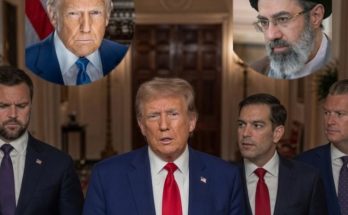
The United States Central Command has confirmed that four American service members have died during rising tensions with Iran, in what officials describe as one of the most serious incidents involving U.S. troops in the region in recent years. In a statement issued early on March 2, the command reported that a fourth soldier—who had been critically injured in the initial attacks—later succumbed to those wounds. Authorities have not yet released the names of the deceased while notifications to their families are still underway.
The fatalities followed a wave of Iranian missile strikes directed at U.S. military facilities across the Middle East. Although officials have not revealed the exact locations or unit assignments for security reasons, they confirmed that major combat activities remain ongoing. U.S. forces in the region are carrying out defensive operations and limited retaliatory actions as commanders closely monitor the rapidly evolving situation. According to officials at the United States Department of Defense, support programs such as counseling and mental-health assistance have been activated for personnel and units affected by the attacks. Security alerts and warning sirens were reportedly triggered near several American bases, and heightened precautions remain in place. Civilians living near military installations have also been advised to stay close to protected areas while authorities continue their assessments.
Relations between the United States and Iran have been strained for decades, driven by disagreements over Tehran’s nuclear program, regional influence, and conflicts in countries such as Syria, Iraq, and Yemen. A major escalation occurred during the Assassination of Qasem Soleimani, when a U.S. strike killed Iranian General Qasem Soleimani, prompting retaliatory missile attacks on American bases. Security analysts warn that the latest casualties could intensify regional instability if further strikes occur. Military experts note that troop losses can influence morale, readiness, and operational planning, sometimes leading commanders to reassess deployments and force posture. In the United States, communities and officials are organizing memorials and vigils to honor the fallen. Members of Congress have requested briefings on the situation, and the administration is expected to address the public as military operations continue. Leaders say the challenge now is maintaining deterrence while avoiding a wider regional war. 🇺🇸🕊️