The relationship between military power and energy security has long been a central element of global strategy. Nations depend on reliable access to energy resources—such as oil, natural gas, and increasingly renewable sources—to sustain their economies and maintain political stability. At the same time, they rely on military capabilities to protect these resources, secure supply routes, and exert influence in strategically important regions. This interconnected dynamic reflects a fundamental reality of international relations: energy and security are deeply intertwined.
Energy security refers to the consistent availability of affordable energy necessary for national development and economic growth. For industrialized nations, disruptions in energy supply can trigger economic instability and political unrest, while for developing countries, access to energy is essential for modernization and poverty reduction. Historically, fossil fuels—particularly oil—have played a dominant role in global energy systems. Oil remains critical not only for transportation and industry but also for military operations, as armed forces rely heavily on fuel for mobility, logistics, and sustained engagement.
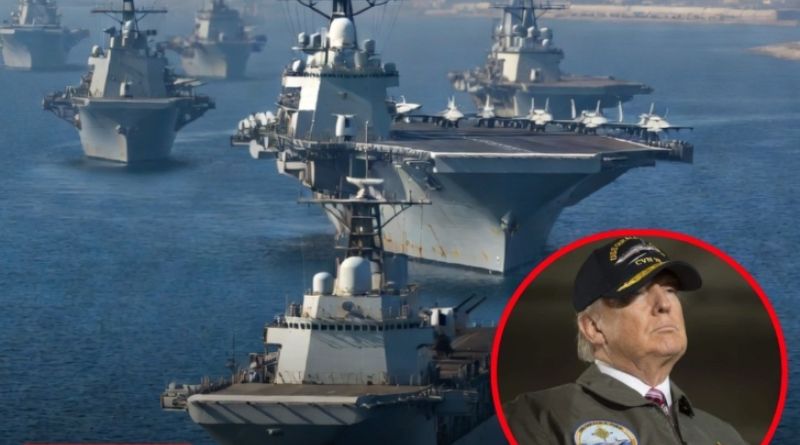
Military power serves multiple functions in ensuring energy security. One of its most visible roles is the protection of supply routes, particularly maritime pathways that carry a significant portion of the world’s energy trade. Strategic chokepoints such as the Strait of Hormuz and the Suez Canal are essential to global energy flows. Naval forces patrol these areas to deter piracy, prevent disruptions, and maintain open access. In addition to safeguarding transport routes, military presence also acts as a deterrent against potential adversaries and reassures allied nations of continued access to vital resources.
Historically, the connection between military power and energy security has been evident in major conflicts. During the 20th century, control over oil supplies was often a decisive factor in warfare. The Gulf War, for example, underscored the strategic importance of securing energy resources after Iraq’s invasion of Kuwait threatened global oil markets. Similarly, the Iraq War sparked ongoing debates about the role of energy interests in military intervention. More recently, the Russian invasion of Ukraine has highlighted how energy dependencies can be leveraged for geopolitical influence, particularly in relation to European energy supplies.
Beyond direct conflict, military forces are often deployed in energy-rich regions to maintain stability and protect infrastructure. In the Middle East, for instance, the presence of foreign military bases reflects the region’s importance as a major energy supplier. Similarly, in parts of Africa and Central Asia, military cooperation and security assistance are frequently tied to safeguarding pipelines, oil fields, and other critical assets. Energy infrastructure itself—ranging from refineries to power grids—has become a key strategic target, requiring constant protection against sabotage, terrorism, and cyberattacks.
The growing complexity of energy systems has introduced new forms of vulnerability. As digital technologies become integrated into energy production and distribution, cyber threats have emerged as a significant concern. Attacks on pipelines or electrical grids can disrupt supply without the need for conventional military engagement, making cybersecurity an increasingly important component of national defense strategies. Military institutions are now expanding their roles to include cyber operations aimed at protecting critical energy infrastructure.
At the same time, the global transition toward renewable energy is reshaping the strategic landscape. While fossil fuels have traditionally driven geopolitical competition, renewable sources such as solar and wind offer the potential for greater energy independence. However, this transition also introduces new challenges, particularly in relation to critical minerals required for renewable technologies. Countries such as China, which dominates rare earth processing, and resource-rich nations like Democratic Republic of the Congo, have become increasingly important in the evolving energy order. As a result, competition is shifting from control over oil reserves to influence over mineral supply chains.
The intersection of military power and energy security also raises important ethical and political questions. Critics argue that the use of military force to secure energy resources can contribute to conflict, interventionism, and environmental harm. They contend that prioritizing fossil fuel security may undermine global efforts to address climate change, particularly under frameworks like the Paris Agreement. Supporters, however, maintain that ensuring stable energy supplies is essential for economic stability and global order, and that military presence can help prevent larger conflicts by deterring aggression.
In conclusion, the relationship between military strength and energy security remains a defining feature of global strategy. While the nature of this relationship is evolving in response to technological advances and the shift toward renewable energy, its core significance endures. Military power continues to play a crucial role in protecting energy resources, securing supply chains, and shaping geopolitical dynamics. As the world moves toward a more complex and multipolar energy landscape, understanding this intersection will be essential for policymakers seeking to balance security, sustainability, and international cooperation.