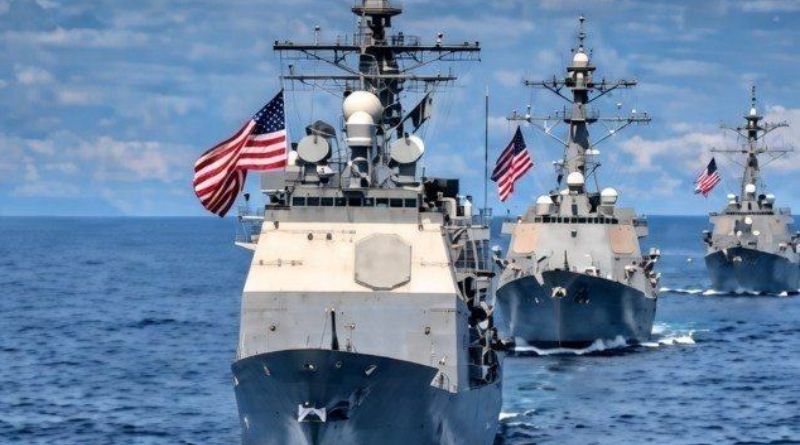
In late February 2026, tensions in the Middle East escalated into a major military conflict involving the United States, Israel, and Iran. What began as a series of coordinated air and missile strikes has rapidly evolved into a wider regional confrontation, raising global concerns about security, economic stability, and humanitarian consequences.
The roots of this conflict stretch back decades. Longstanding tensions between Iran, Israel, and the United States have centered on regional influence, Iran’s missile and nuclear ambitions, and competing alliances across the Middle East. In recent years, these tensions intensified through proxy conflicts, economic sanctions, and periodic military exchanges. Incidents involving drone attacks, maritime disruptions, and strikes by Iran-aligned groups contributed to a fragile and volatile environment.
The immediate escalation reportedly began on February 28, 2026, when U.S. and Israeli forces carried out coordinated strikes on multiple targets inside Iran. These strikes focused on military installations, missile launch sites, and strategic infrastructure. U.S. and Israeli officials described the operation as a preemptive effort to counter perceived threats and weaken Iran’s offensive capabilities.
Iran responded swiftly with retaliatory attacks, launching ballistic missiles and unmanned aerial vehicles toward Israeli territory and U.S. military installations across the region. Several countries in the Gulf, including those hosting U.S. bases, have experienced heightened security threats as a result. While many incoming projectiles have been intercepted, some have caused damage and casualties, highlighting the growing intensity of the conflict.
As the situation has developed, the conflict has expanded beyond direct strikes between the main actors. Iran-aligned militias in Iraq have reportedly targeted U.S. forces, while Hezbollah has increased its activity along Israel’s northern border. These developments underscore the risk of a broader regional war, as multiple groups and countries become involved either directly or indirectly.
The economic impact has been immediate and significant. Global oil prices have surged amid fears of disruption to supply routes, particularly through the Strait of Hormuz, a critical passage for international energy shipments. Financial markets have also reacted with volatility, reflecting uncertainty about the duration and scope of the conflict. Governments and businesses worldwide are closely monitoring developments, as prolonged instability could have far-reaching consequences.
Diplomatic responses have been mixed. Some U.S. allies have expressed support for efforts to counter security threats, while others have called for restraint and a return to negotiations. International organizations, including the United Nations, have urged all parties to de-escalate and seek diplomatic solutions. Major global powers have also voiced concern that continued fighting could destabilize the broader international order.
The humanitarian situation is increasingly concerning. Reports indicate that civilians in affected areas have suffered casualties and displacement due to ongoing strikes and security threats. Infrastructure damage has disrupted essential services, and aid organizations warn that conditions could worsen if the conflict continues. The impact on ordinary people remains one of the most pressing aspects of the crisis.
Looking ahead, uncertainty dominates the outlook. U.S. officials have stated that their objectives include reducing Iran’s military capabilities and deterring future attacks, but the long-term strategy remains unclear. Questions persist about whether the conflict will remain limited to air and missile engagements or expand into a wider war involving ground forces.
This evolving conflict represents a critical moment for global stability. Its outcome will likely shape the geopolitical landscape of the Middle East and influence international relations for years to come. As events continue to unfold, the need for accurate information, careful analysis, and sustained diplomatic efforts has never been more urgent.