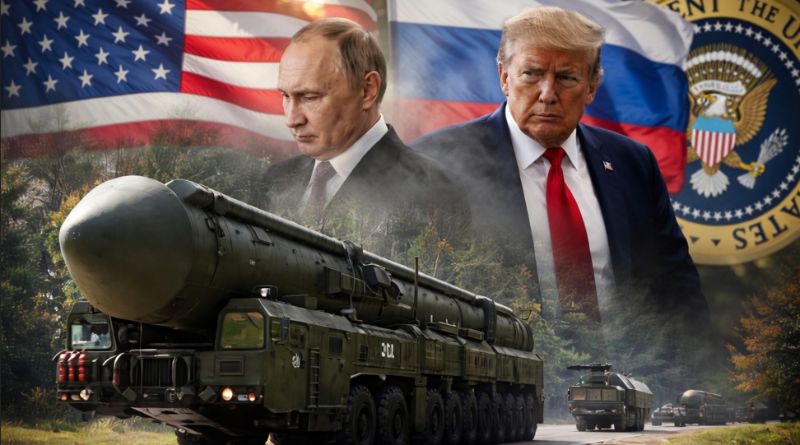
A sense of urgency is steadily taking hold across Europe. Concerns that once seemed distant are now part of everyday political discussion—security, defense, and how prepared the continent really is. European leaders are no longer treating these issues as hypothetical. Instead, they are acting with the understanding that the risks are real and potentially immediate.
This shift in mindset can be traced back to the war in Ukraine, which upended long-standing assumptions about stability in the region. For years, many European nations depended heavily on cooperation, diplomacy, and alliances to maintain peace. That framework is now under strain, forcing governments to rethink how they approach defense and crisis response.
In response, countries across Europe are increasing military spending and strengthening coordination. New strategies are being introduced to improve how quickly troops and equipment can be deployed. Infrastructure is being upgraded, logistical bottlenecks are being addressed, and planning is becoming more focused on speed and efficiency during emergencies.
However, a noticeable gap remains between government action and public perception. While leaders are preparing for potential threats, many citizens feel uncertain or unprepared for what those scenarios might involve. This disconnect highlights the broader challenge of not only building military readiness but also fostering public awareness and resilience.
In Eastern Europe, the sense of urgency is particularly visible. Some countries have already begun implementing public preparedness campaigns, emergency response planning, and practical guidance for civilians. These efforts reflect a more immediate proximity to perceived threats and a stronger emphasis on readiness at all levels of society.
At the same time, external pressure is growing. Allies are increasingly calling on Europe to take greater responsibility for its own defense, reinforcing the need for faster and more decisive action.
Despite the progress, significant challenges remain. Strengthening defense systems, improving coordination among nations, and overcoming long-standing structural limitations cannot happen overnight.
The conversation in Europe has clearly changed. The debate is no longer about whether action is necessary—but whether those actions can be implemented quickly enough to match the scale and pace of emerging risks.