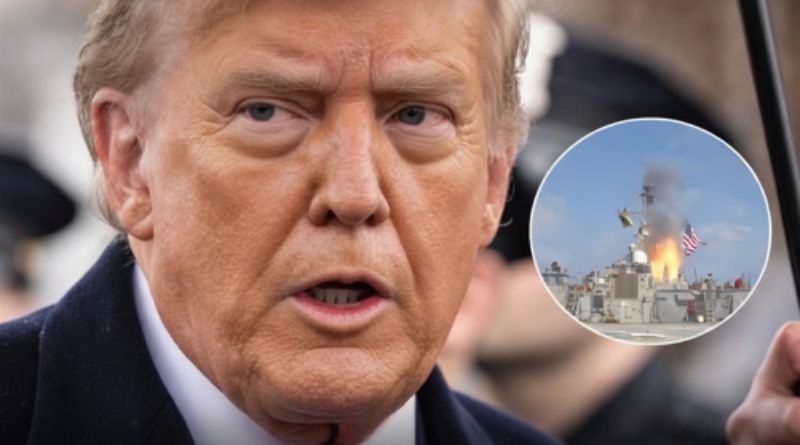
In recent days, tensions in the Middle East have sharply intensified following large-scale, coordinated military strikes by the United States and Israel against targets in Iran. The escalation has triggered retaliatory attacks, diplomatic reactions, and widespread discussion across social media platforms worldwide. While the situation continues to evolve, available information from major news outlets and official briefings provides a partial picture of the conflict’s origins, its casualties, and the controversies surrounding the name of the U.S. operation, commonly reported as “Operation Epic Fury.” This summary relies on publicly reported information and avoids presenting unverified claims as established fact.
On February 28, 2026, U.S. and Israeli officials announced the start of coordinated strikes on Iranian military infrastructure. According to military briefings and international reporting, the attacks involved aircraft and missile strikes targeting air defense systems, command centers, missile launch facilities, and other strategic sites across several Iranian cities. Israeli authorities referred to their part of the campaign as “Operation Lion’s Roar,” while U.S. officials described their operation using the name “Operation Epic Fury.” The scale of the strikes represents one of the most serious escalations between Iran and its regional adversaries in decades. Some reports indicated that high-ranking Iranian officials and command facilities were among the targets. Iranian state media and certain international outlets reported the death of Iran’s Supreme Leader, Ayatollah Ali Khamenei, along with other senior officials. However, verification remains difficult in the early stages of a conflict, and real-time information from combat zones can be incomplete or contested. Following the initial strikes, Iran launched retaliatory attacks using ballistic missiles and drones aimed at U.S. military facilities and allied locations in the region. Targets reportedly included bases or strategic sites in Bahrain, Kuwait, Qatar, and the United Arab Emirates, as well as locations near Israel. Iran-linked drones also reportedly struck RAF Akrotiri , a British military base in Cyprus, causing limited runway damage but no confirmed casualties.
Accurate casualty figures remain difficult to determine. U.S. Central Command confirmed that at least four American service members have died from injuries sustained during retaliatory attacks, with several others seriously wounded. Across the region, casualties have been reported in multiple countries, affecting both military personnel and civilians. Iran has reported significant losses from the initial strikes and subsequent fighting, while Israel and other regional states have reported injuries and damage from missile interceptions and impacts. A notable part of the online discussion has focused on the reported name of the U.S. campaign: “Operation Epic Fury.” Critics on social media have described the title as overly dramatic or inappropriate given the seriousness of military conflict. Some compared it to titles from action movies or video games. Supporters argue that such names are common in military planning and are intended to reflect determination rather than trivialize events.
U.S. defense officials described the operation as highly targeted and intended to weaken Iran’s military capabilities. Political leaders involved in authorizing the campaign have emphasized long-standing tensions with Iran and framed the strikes as defensive measures. Internationally, governments and organizations including the United Nations have urged restraint and called for diplomatic solutions. Many countries have expressed concern about the potential for further regional destabilization. The conflict remains fluid, with military operations, political responses, and casualty figures continuing to change. As events develop, verified reporting from credible sources will be essential to clarify the scale of the conflict and its long-term implications for the region and the world.