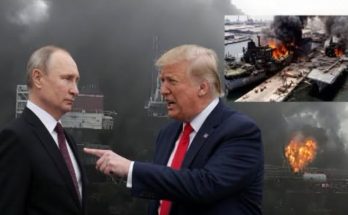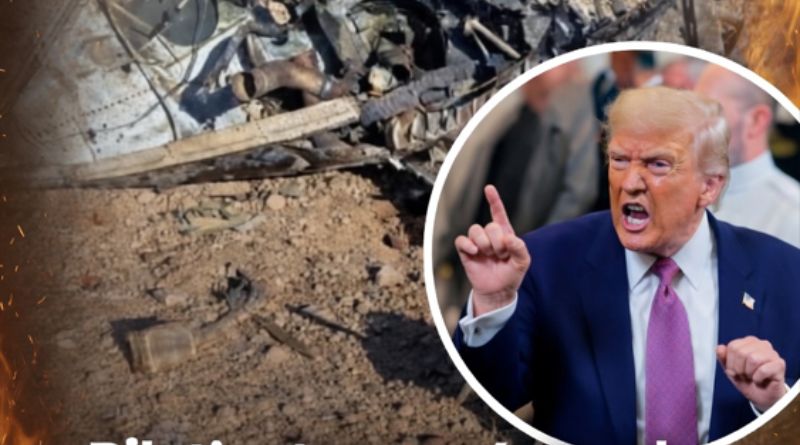
Trump’s account of the rescue paints the pilot as a man left to face impossible odds: stranded deep behind enemy lines, pursued not only by Iranian forces but also by civilians reportedly promised cash to betray him. Above, US drones circled relentlessly, striking at any approaching threat, buying him precious time he wasn’t sure he had. Every movement in the dark risked discovery; every faint sound among the jagged rocks seemed to signal the hunt closing in.
The mission’s tension reached a peak with his first radioed words: “Power be to God.” For a moment, that phrase, seemingly innocuous, raised suspicion—it could have been a trap, crafted to mimic a Muslim fighter and lure rescuers into danger. The soldiers hesitated, torn between caution and duty. Only after confirmation from people who knew him—testifying to his deep faith—did the operation surge forward, moving with renewed purpose.
The pilot was found wedged in a narrow mountain crevice, exhaustion and fear etched into every line of his face. Airlifted to safety, he emerged from the ordeal alive, a testament to both his resilience and the meticulous planning of those who risked everything to bring him home. For Trump, the survival of the pilot became a symbol: even alone in the most hostile territory, surrounded by danger at every turn, a person is “never truly alone.”
Every detail of the operation—from the drones overhead to the radioed words that could have spelled disaster—underscores the delicate balance between life and death in combat rescues. It is a story of courage, vigilance, and faith, one that highlights not just the perils faced by those on the ground but also the unwavering determination of those committed to bringing them back.