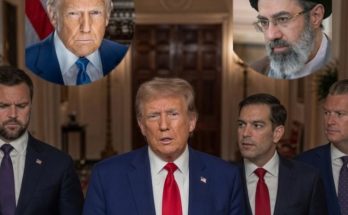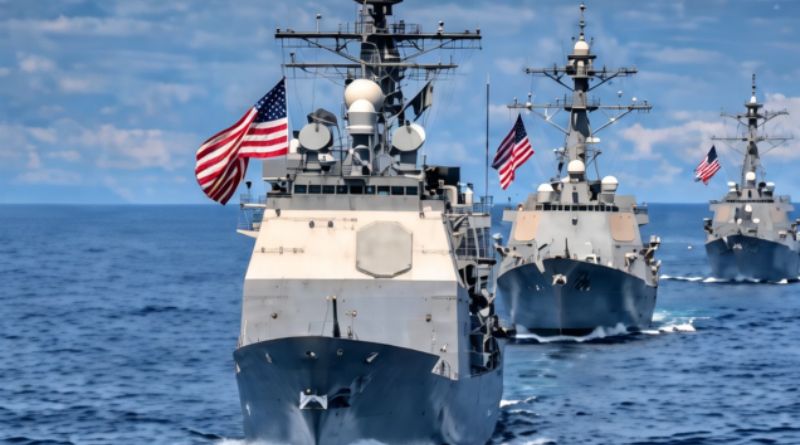
When people come across a headline such as “Breaking News: The U.S. Launches the War…”, their emotional response is often immediate and intense. Feelings like fear, curiosity, anger, and confusion can surface all at once. However, before reacting with panic, it is important to pause and understand how headlines are constructed, what they are meant to suggest, and what typically happens when the United States becomes involved in a military conflict.
To begin with, headlines like these are frequently written in a deliberately incomplete and dramatic style. The phrase “launches the war” sounds powerful but provides almost no concrete information. It does not specify the location, the opposing side, or the circumstances surrounding the event. This vague wording is common in social media posts where the primary goal is to capture attention and drive clicks rather than provide accurate or fully verified information. In many situations, the full article may reveal something far less dramatic, such as a military exercise, a political warning, a defensive measure, or routine strategic positioning.
Historically, the United States does not suddenly or secretly start wars. Military involvement usually develops after long periods of political tension, diplomatic negotiations, economic sanctions, intelligence assessments, and public debate. Government institutions, including Congress, as well as international allies and organizations, are typically involved in discussions well before any large-scale military action takes place. Major decisions of this kind are rarely hidden from the public eye. Another important distinction is the difference between military operations and war. The U.S. often carries out limited actions, such as targeted airstrikes, peacekeeping missions, or defensive responses to protect allies. Online posts sometimes label these actions as “war” even when they do not meet the legal, political, or strategic definition of a full-scale conflict.
Social media platforms play a major role in amplifying these misunderstandings. Their algorithms prioritize content that provokes strong emotional reactions, especially fear or shock. As a result, alarming headlines spread rapidly, while calm, verified reporting travels more slowly. This environment makes it easy for misinformation, exaggeration, or even recycled old stories to appear as urgent new events. If the United States were truly entering a major war, the signs would be unmistakable. There would be official announcements, press briefings from the White House and the Pentagon, widespread reporting by major international news organizations, and immediate reactions in global markets and governments.
In an age of constant digital updates, the smartest response is simple: pause, verify information through reliable sources, look for official confirmation, and avoid spreading headlines designed primarily to create fear rather than understanding.