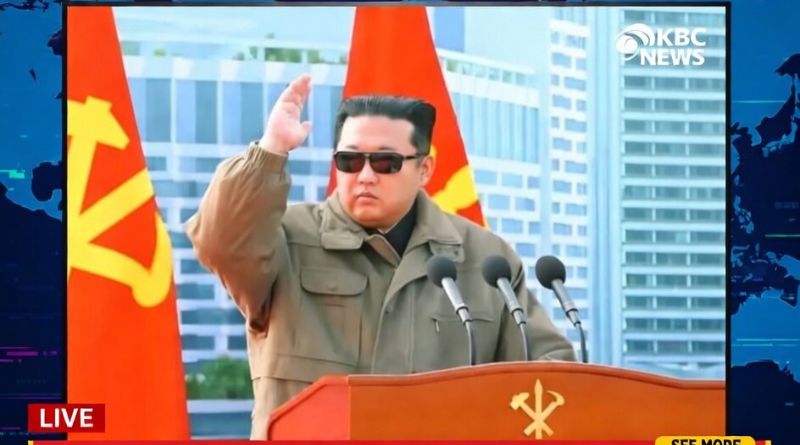
Recent headlines circulating online have sparked confusion and concern, claiming that Korea has issued an order to launch a military attack on another country. The story spread quickly across social media platforms, fueling debates and, in some cases, unnecessary panic. However, after careful verification through credible sources, these claims have been proven false.
Addressing misinformation of this nature is essential. False reports involving military action can create widespread anxiety, distort public understanding, and contribute to the rapid spread of harmful rumors. In today’s fast-paced digital environment, where information travels instantly, it is more important than ever to rely on verified facts and trustworthy reporting.
The viral claims suggested that the government of South Korea had approved or initiated a military strike. Many of these posts lacked credible sourcing, relying instead on vague language, misleading headlines, or unverified interpretations. As the story gained traction, it was amplified by users sharing the content without confirming its accuracy.
In reality, no such military order has been issued. Official statements and reporting from reputable organizations such as Reuters and BBC News confirm that there is no evidence supporting the claim. South Korean authorities have reiterated their commitment to maintaining regional stability and ensuring public safety. Their current focus remains on monitoring international developments and engaging in diplomatic efforts rather than initiating conflict.
The rapid spread of this false report highlights how misinformation thrives online. Social media algorithms often prioritize content that generates strong emotional reactions, regardless of its accuracy. Stories involving conflict or danger naturally attract attention, increasing the likelihood of shares and engagement. This creates what is known as an “information cascade,” where repeated exposure can make false claims appear credible simply because they are widely seen.
Clickbait headlines also play a significant role. Some websites design sensational titles to draw readers in, even when the underlying information is incomplete or misleading. Combined with public anxiety around global tensions, these tactics can quickly turn speculation into perceived reality.
To navigate such situations effectively, it is crucial to rely on trusted sources. Official government announcements, established international news agencies, and expert analysis provide a more accurate picture of events. Verifying information through multiple reputable outlets can prevent the spread of false narratives and reduce unnecessary alarm.
South Korean officials have consistently emphasized diplomacy and cooperation as key priorities. Their approach includes closely monitoring regional developments, maintaining open communication with allies such as the United States and Japan, and ensuring that the public receives accurate and timely information. These actions reflect a commitment to stability rather than escalation.
Public response to such viral claims is often mixed. While some individuals react with concern, others question the credibility of the information. In either case, responsible behavior is essential. Avoiding the immediate sharing of unverified content, cross-checking facts, and encouraging others to do the same can significantly reduce the impact of misinformation.
This incident serves as a broader reminder of the challenges posed by the modern information landscape. Not every headline reflects reality, and not every widely shared story is true. Developing critical thinking skills and maintaining a cautious approach to breaking news are essential habits in an era defined by constant information flow.
In conclusion, the claim that Korea has issued a military attack order is entirely false. Verified reports confirm that no such action has been taken, and South Korea continues to prioritize diplomacy and regional security. By relying on credible sources and approaching sensational claims with skepticism, individuals can stay informed without contributing to unnecessary fear or confusion.