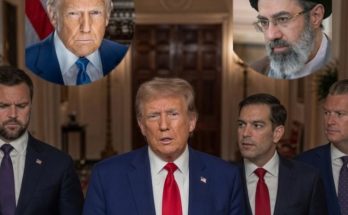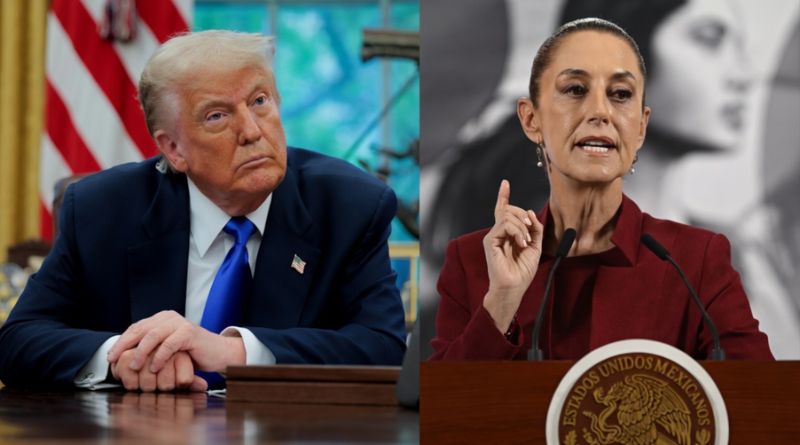
World leaders reacted strongly after U.S. President Donald Trump announced on Saturday that American forces had carried out a “very successful attack” on three Iranian nuclear sites, including the Fordow facility. In a post on Truth Social, Trump described the operation as a “historic moment for the United States, Israel, and the world,” adding that Iran “must now agree to end this war.”
The announcement immediately drew responses from governments around the world, reflecting deep concern over the escalation and its potential consequences.
Iran condemned the strikes as a violation of international law. Iranian Foreign Minister Abbas Araghchi, writing on X (formerly Twitter), called the attacks “outrageous” and warned that they would have “everlasting consequences.” He emphasized that Iran “reserves all options” to defend its sovereignty, interests, and people, citing the United Nations Charter’s provisions allowing a legitimate response in self-defense.
Israel welcomed the U.S. action. Israeli leaders, including Prime Minister Benjamin Netanyahu, praised the strikes as a decisive step to prevent Iran from advancing its nuclear program. They framed the operation as necessary for regional and global security.
European reactions were more cautious. European Commission President Ursula von der Leyen and leaders from the United Kingdom and France stressed the need for diplomatic solutions while acknowledging the threat posed by Iran’s nuclear ambitions. They urged restraint and warned that military escalation could destabilize the region further.
China and Russia criticized the attacks, arguing that military action would not resolve the underlying conflict and could increase tensions. Similarly, countries across the Middle East, including Saudi Arabia and Qatar, called for careful management of the situation to avoid further instability.
International organizations also expressed concern. UN Secretary-General António Guterres highlighted the risks of escalation and called for de-escalation and dialogue in accordance with international law.
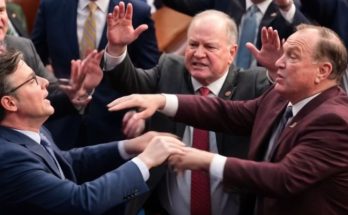
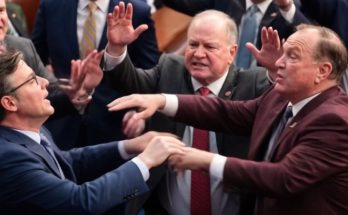
Within the United States, reactions were mixed. Some lawmakers praised Trump’s decision as a necessary defense against nuclear proliferation, while others warned that bypassing Congress and carrying out airstrikes could risk a broader regional conflict.
Civil society groups and advocates for peace condemned the strikes, arguing that military action is counterproductive and urging renewed diplomatic engagement.
The announcement marked a major turning point in U.S.-Iran relations, highlighting the heightened risks of military conflict in the region. World leaders’ responses underscored a shared concern for stability, with many calling for negotiation and restraint even amid escalating tensions.