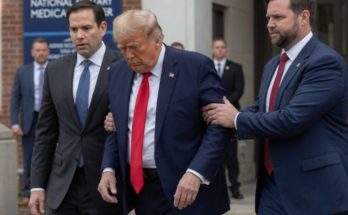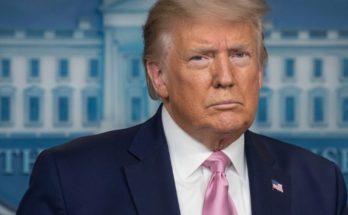
On a fraught Thursday that sent shockwaves through political circles, federal prosecutors revealed an expansive set of allegations against a former U.S. president, accusing him of deliberately attempting to subvert core democratic processes. The indictment outlines claims of conspiracy, obstruction, and violations of constitutional rights—charges that strike at the foundation of the nation’s legal and electoral systems. However, significant portions of the case remain undisclosed, leaving observers to grapple with unanswered questions. Supporters are rallying in defense, opponents are preparing for what comes next, and the broader political environment appears poised for a potentially dramatic shift.
These latest developments mark a critical juncture in the former president’s ongoing legal challenges. Among the accusations are conspiracy to defraud the United States, obstruction of an official proceeding, and interference with rights guaranteed under the Constitution. While the indictment presents a framework of alleged wrongdoing, it is ultimately the responsibility of the courts to evaluate the evidence, interpret the law, and determine the validity of the claims. Given the high-profile nature of the case, the proceedings are expected to unfold under intense public and media scrutiny.
For the public, the situation highlights a longstanding tension between political authority and the rule of law. It raises fundamental questions about accountability, the limits of executive power, and the resilience of democratic institutions. Regardless of individual political beliefs, the outcome of this case could have lasting implications for how power is exercised and checked in the United States.
As events continue to develop, careful attention to verified information will be crucial. The legal process is designed to operate methodically and impartially, and its integrity depends on allowing it to proceed without undue speculation or premature judgment. In the end, the case may not only determine the fate of one individual but also influence the broader public’s trust in the nation’s institutions.