Explosion Near Girls’ School in Minab Raises International Concern An explosion near a girls’ school in Minab, a city in southern Iran’s Hormozgan Province, has drawn widespread attention and raised urgent questions about civilian safety. The blast reportedly occurred during school hours, causing panic in the neighborhood and injuring several people, including students. Emergency responders quickly arrived, transporting the injured to nearby hospitals while authorities began assessing the damage.
Eyewitnesses described a loud explosion that shook nearby buildings and sent residents running into the streets. Smoke was seen rising from the area shortly after the incident. Reports indicate that part of the school building, as well as surrounding structures, suffered damage. Windows were shattered, debris scattered, and several individuals were injured, though exact numbers have not yet been confirmed.
Conflicting Early Reports
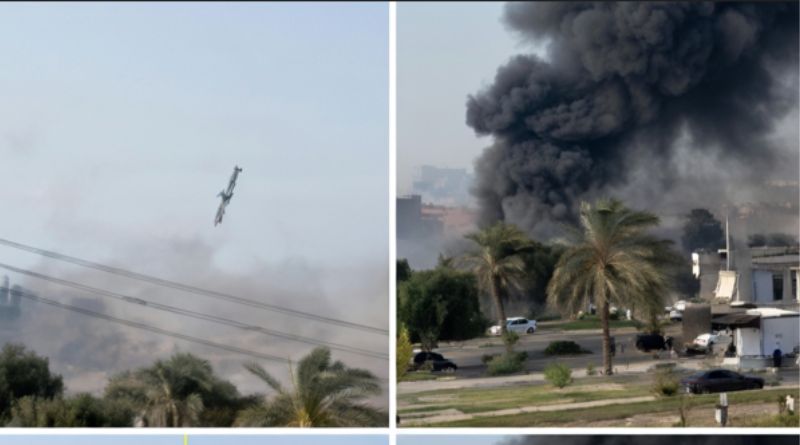
In the immediate aftermath, social media posts and unverified reports speculated on the cause of the explosion. Some suggested that a Raduga Kh‑55, a long-range cruise missile developed during the Soviet era, might have been involved. Defense experts caution against drawing conclusions from such early claims, noting that proper identification of any missile or weapon requires detailed examination of fragments, materials, and blast patterns. Officials emphasize that it is too early to confirm the type of weapon used or the circumstances that led to the explosion.
Understanding the Raduga Kh‑55
The Raduga Kh‑55 is an air-launched cruise missile designed primarily for strategic military purposes. Known for its long operational range and low-altitude flight capabilities, it was developed to avoid radar detection and strike targets with precision. Historically, such missiles have been associated with major military operations, not isolated incidents in civilian areas. This underscores the need for careful forensic analysis before attributing the explosion to a specific weapon.
Investigation Efforts
Iranian authorities have reportedly launched an investigation to determine the cause of the blast. Investigators are documenting structural damage, collecting debris, interviewing witnesses, and reviewing any available surveillance footage. These steps are necessary to establish an accurate timeline and ascertain whether the explosion was accidental, deliberate, or connected to broader security developments. Given the potential involvement of complex mechanical or military components, confirming the cause could take time.
Civilian Safety Concerns
The incident has heightened concerns about the safety of civilians, particularly children. Schools are considered protected infrastructure under international humanitarian norms. Any explosion affecting students and staff during school hours draws immediate global attention. International organizations and governments have called for caution in assigning responsibility until evidence from the investigation is available.
The local community in Minab has been deeply affected. Schools are traditionally viewed as safe spaces, and when such locations are compromised, students, teachers, and families may experience lasting emotional distress. Authorities are evaluating whether the affected school can continue operating safely or if temporary measures are needed. Community support services and counseling are playing a critical role in helping those impacted recover from the trauma.
The Spread of Unverified Information
Following the explosion, numerous claims circulated online regarding the type of weapon involved and possible perpetrators. Analysts warn that such early information is often incomplete or inaccurate. Social media can amplify speculation, making it challenging for the public to separate fact from rumor. Experts stress the importance of relying on verified reports from official investigations rather than early unconfirmed claims.
Broader Regional Context
While the cause of the Minab explosion remains under investigation, it occurs within a region that has experienced longstanding political and military tensions. Analysts often consider factors such as internal security challenges, cross-border disputes, and military operations when examining such incidents. Understanding these broader dynamics can help contextualize whether an explosion is accidental, deliberate, or connected to larger regional developments.
Conclusion
The explosion near the girls’ school in Minab has raised serious questions about civilian safety and drawn international attention. While some early reports suggested a Raduga Kh‑55 missile, experts emphasize that no official confirmation has yet been provided. Investigators are continuing to analyze evidence to determine what caused the blast. In the meantime, the focus remains on supporting the injured, ensuring community safety, and providing accurate, verified information. The incident serves as a stark reminder of the importance of protecting civilians, particularly students, and maintaining transparency in the aftermath of such events.