A devastating accident on one of Mexico’s most vital highways has captured national attention, not only because of the lives lost but also due to the broader concerns it raises about road safety, infrastructure, and accountability. The Mexico–Querétaro Highway, a key route linking the capital with major industrial regions, became the site of a deadly multi-vehicle collision that brought traffic to a standstill for hours and left families mourning sudden, irreversible loss. What began as a routine day for commuters and freight drivers quickly turned into a scene of chaos. Near the municipality of Huehuetoca, at the well-known Jorobas intersection, a chain-reaction crash involving multiple vehicles—including passenger cars and large transport trucks—resulted in fatalities and widespread destruction. Emergency responders arrived within minutes, but the magnitude of the incident highlighted how fragile even critical transportation systems can be when several risk factors align.
The Mexico–Querétaro Highway is among the busiest and most economically significant roadways in the country. Thousands of vehicles travel along it daily, carrying goods, supporting commerce, and connecting communities. Any disruption along this corridor has immediate and far-reaching consequences, making accidents here especially impactful.
On the day of the crash, traffic conditions were typical for such a heavily used route. However, normalcy was shattered in an instant. Witnesses described a sudden sequence of collisions, with vehicles slamming into one another at high speed. The force of the impact left debris scattered across multiple lanes, transforming the highway into a dangerous and unrecognizable scene. Moments after the crash, the silence was broken by car alarms, horns, and desperate calls for help.
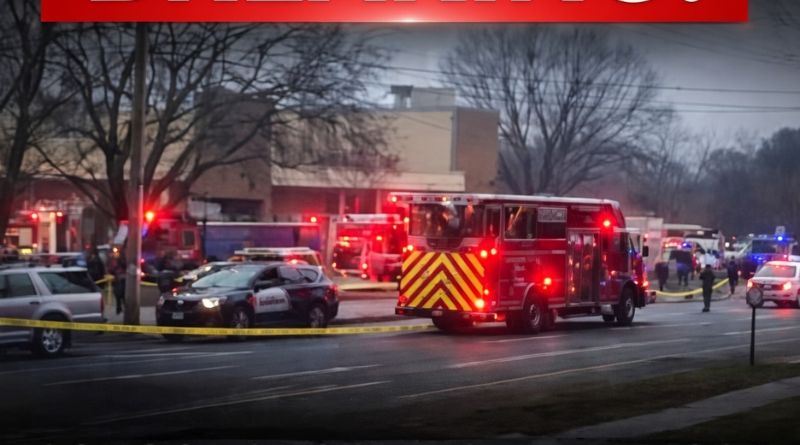
Emergency services responded with urgency and coordination. Paramedics, firefighters, and civil protection teams worked together to manage the crisis. Many victims were trapped inside mangled vehicles, requiring careful extraction using specialized equipment. Rescue workers navigated unstable wreckage to reach those in need, often under intense pressure.
Medical teams quickly established triage zones near the site. Victims were assessed based on the severity of their injuries, with the most critical cases receiving immediate attention. Some required life-saving interventions on the spot, while others were stabilized and transported to nearby hospitals. Ambulances moved continuously between the crash site and medical facilities, while hospitals activated emergency protocols to handle the sudden influx of patients.
At the same time, authorities faced the challenge of managing traffic disruption. The highway became severely congested, with long lines of vehicles stretching for miles. Security forces implemented detours and redirected traffic to keep emergency lanes clear. Clearing the wreckage proved to be a slow and complex process, requiring heavy machinery and careful coordination.
As the immediate response stabilized, attention shifted to determining the cause of the accident. Investigators began examining several possible contributing factors. Early indications pointed to excessive speed as a likely element. On high-speed highways, even small mistakes can quickly escalate into catastrophic events, especially when large trucks are involved.
Environmental conditions are also being considered. Reports suggest that visibility may have been limited at the time, possibly due to fog or poor lighting. Reduced visibility can significantly shorten reaction times, making collisions more likely. Additionally, authorities are inspecting the mechanical condition of the vehicles involved, particularly freight trucks, to determine whether equipment failure played a role.
This investigation is expected to be thorough and methodical. Officials are reconstructing the sequence of events, gathering witness accounts, and analyzing physical evidence. Their findings will be crucial not only for assigning responsibility but also for identifying systemic issues that may need to be addressed.
Beyond the technical analysis, the human impact of the tragedy is profound. Each life lost represents a family left grieving and a future forever altered. For loved ones, understanding what happened is an essential step toward finding some sense of closure, even though it cannot undo the loss.
Survivors face their own challenges. In addition to physical injuries, many will deal with emotional trauma that can last long after the event. Recovery will require not only medical care but also psychological support and community assistance.
The accident has renewed calls for stronger road safety measures across the country. Experts and advocacy groups are emphasizing the need for stricter enforcement of speed limits, particularly for heavy vehicles. Regular mechanical inspections are also being highlighted as a critical step in preventing accidents caused by equipment failure.
Infrastructure improvements are another key focus. High-risk areas like the Jorobas intersection may require better lighting, clearer signage, and redesigned traffic flow systems to reduce congestion and confusion. Investments in modern traffic management technology could also enhance overall safety.
At the same time, the role of individual drivers cannot be overlooked. Safe driving practices—such as maintaining appropriate speed, staying alert, and adjusting to road conditions—are essential in preventing accidents. Every driver shares responsibility for the safety of the road.
As cleanup efforts continue and traffic gradually returns to normal, the visible signs of the crash will eventually disappear. However, the memory of what occurred will remain with those affected and serve as a reminder of the importance of vigilance.
Ultimately, this tragedy underscores the delicate balance between efficiency and safety in modern transportation. It highlights the urgent need for improvements at every level, from infrastructure and regulation to personal responsibility. The hope is that lessons learned from this event will lead to meaningful changes, helping to prevent similar tragedies in the future and ensuring that more journeys end safely.