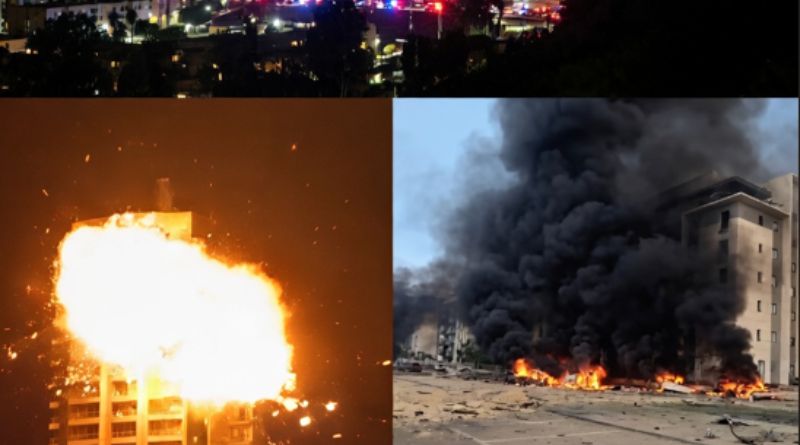
In recent hours, the geopolitical landscape has shifted dramatically as Israel and the United States launched coordinated military strikes against Iran, raising fears of a broader regional conflict. The unprecedented nature of these actions has sent shockwaves across the Middle East and beyond, sparking urgent questions about the legality, morality, and potential consequences of such interventions. The situation escalated on the evening of March 9, 2026, when Israeli forces conducted airstrikes on strategic military installations in Iran, citing the need to neutralize perceived threats. Within hours, Iran retaliated with missile strikes targeting U.S. and Israeli military assets in the region. This rapid tit-for-tat exchange has left the world questioning how far each side is willing to go and whether diplomatic solutions can still prevent further escalation.
The Initial Strikes
Israeli officials stated that the airstrikes targeted facilities linked to Iran’s nuclear program, framing their actions as preemptive self-defense against an imminent threat. However, critics have questioned the timing and scale of the attacks, arguing that military action may not have been warranted.
Iran’s response was swift and forceful. Missile barrages struck military bases and installations used by U.S. forces, demonstrating both capability and resolve. The Iranian government described its actions as a necessary defense of national sovereignty, emphasizing that it would not tolerate aggression against its territory.
Humanitarian Impact
As the conflict unfolds, the humanitarian consequences are becoming increasingly severe. Civilians in both Iran and Israel are caught in the crossfire, with reports of casualties and extensive damage to homes, schools, hospitals, and critical infrastructure. Many families have been forced to flee, creating a growing crisis that strains local resources and humanitarian organizations.
Access to affected areas remains limited due to ongoing hostilities, complicating relief efforts. The urgent need for humanitarian aid underscores the human cost of military escalation and the challenges of protecting innocent lives in conflict zones.
Global Reactions and Diplomatic Efforts
The international response has been mixed. Some nations have condemned the actions of Israel and the U.S., while others have expressed support for their military intervention. Diplomatic efforts are underway to reduce tensions, with countries such as Russia and China calling for ceasefires and renewed negotiations. The emphasis from these nations is on dialogue over military confrontation, warning that continued escalation could destabilize the entire region.
Analysts have raised concerns that the conflict could expand beyond its current borders, potentially drawing in neighboring countries and triggering a wider Middle Eastern war. Leaders worldwide are closely monitoring developments, aware that prolonged military engagement could have serious global consequences.
Key Questions
Several critical questions remain: Who initiated this latest round of escalation? Are these military actions justified under international law? Why do civilians continue to bear the heaviest burden? How close is the region to a broader war? These questions are central to understanding the complexity of the crisis and the potential paths forward.
Conclusion
The recent strikes by Israel and the United States against Iran mark a significant escalation in an already volatile region. The humanitarian consequences are serious, and urgent international action is needed to prevent further loss of life. As events continue to unfold, careful reflection on the nature of conflict, international law, and ethical responsibility is essential. The decisions made in the coming days will have lasting implications for regional stability and global security.