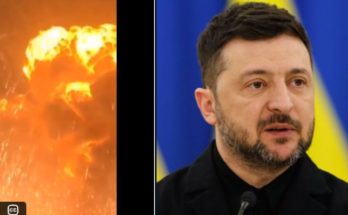
Reports suggesting that Iran may be preparing drone attacks against California in retaliation for “Operation Epic Fury” have been strongly denied by the White House and several officials within Donald Trump’s administration. According to an earlier report by ABC News, the FBI had alerted California law enforcement agencies about the possibility that unidentified vessels off the state’s coastline could launch drones toward unspecified targets. However, White House Press Secretary Karoline Leavitt criticized the report, emphasizing that the warning was based on “unverified” intelligence.
Leavitt argued that ABC’s coverage failed to include this critical detail, which she said created unnecessary alarm. In a post on X, she called for the report to be retracted, stating that it relied on a single email referencing an unconfirmed tip. She stressed that no credible threat from Iran to the U.S. homeland currently exists.
The original internal communication cited in the report explicitly stated that the information was unverified and lacked specifics regarding timing, targets, or methods. Despite this, critics say the omission of that context in public reporting contributed to confusion and concern.
California Governor Gavin Newsom also dismissed the claims, reassuring residents that state and federal agencies are actively monitoring potential risks and working to ensure public safety.
At the same time, the White House is facing criticism from some conservative commentators over what they view as inconsistent messaging about the administration’s military actions against Iran. Leavitt recently issued a detailed statement defending the administration’s position and outlining its objectives.
According to her, the primary goals of Operation Epic Fury include dismantling Iran’s missile capabilities, neutralizing its naval forces, and weakening its support for militant proxy groups. She also emphasized the importance of preventing Iran from developing nuclear weapons and stopping the use of improvised explosive devices that have historically targeted U.S. personnel.
In a pointed response to commentator Matt Walsh, Leavitt defended the administration’s aggressive stance, stating that eliminating terrorist threats serves American interests. She further claimed that dozens of high-ranking Iranian figures, including Supreme Leader Ali Khamenei, had been killed during the initial phase of the operation—an assertion that has not been independently verified.
Leavitt also argued that despite prior diplomatic efforts, Iran refused to agree to terms that would halt its nuclear ambitions. She framed the current strategy as a necessary response to decades of hostility, accusing previous U.S. administrations of failing to act decisively.
Meanwhile, critics like Walsh continue to question inconsistencies in the administration’s narrative, particularly regarding whether the military strikes were preemptive and why dismantling Iran’s nuclear program remains a stated objective if officials previously claimed those facilities had already been destroyed.
Overall, the situation highlights ongoing tensions not only abroad but also within domestic political discourse, as differing interpretations of intelligence and policy continue to fuel debate.