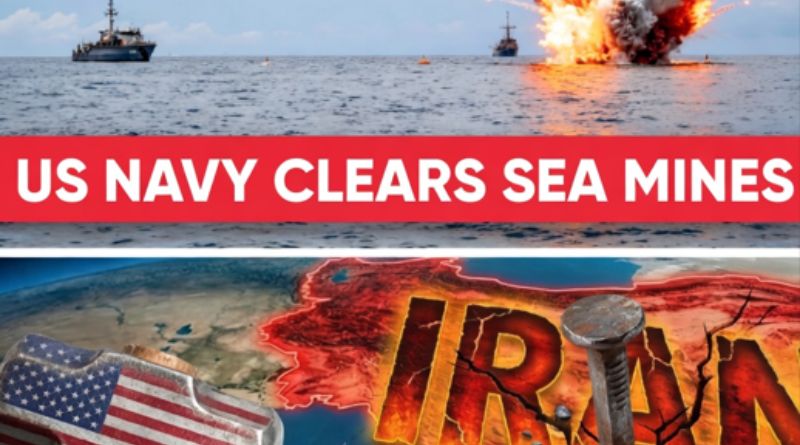
The world is watching the Strait of Hormuz, a narrow but critical maritime passage that handles roughly 20% of global oil shipments. Recent events have sharply escalated tensions in the region, with the United States and Iran facing off over control and security of the strait. Over the past weeks, Iran’s Revolutionary Guard Corps (IRGC) has reportedly been engaging in aggressive maneuvers near the strait, prompting global concern. Officials have warned that any obstruction of this key waterway could have serious repercussions for international trade, energy markets, and regional stability. In response, the U.S. military has deployed significant naval forces to the area, signaling its readiness to maintain freedom of navigation.
The Strait of Hormuz is a strategic chokepoint. Any disruption here can ripple across global oil markets, raising fuel prices and affecting shipping worldwide. The United States has emphasized that it will not tolerate any actions that threaten the free flow of commerce or international security in the strait.
President Donald Trump issued a direct ultimatum to Iran, demanding that the strait remain open. He warned that failure to comply could trigger targeted strikes against Iranian energy infrastructure. These statements underline the high stakes and the potential for a rapid escalation in military operations. The president framed the U.S. presence as a deterrent, aimed at preventing Iran from exerting control over international shipping lanes.
U.S. naval assets currently in the region include cruisers, destroyers, and aircraft carriers. While specific operational details remain classified, sources indicate that these forces are prepared to respond to threats against commercial and allied vessels. The deployment underscores both the strategic importance of the strait and the willingness of the United States to use its military power to enforce freedom of navigation.
On the ground—or rather, on the water—the situation is tense for sailors. Crew members aboard U.S. vessels operate under high pressure, knowing that any misstep could have serious consequences. Training prepares them for a variety of scenarios, but real-world conditions bring a level of uncertainty and risk that is difficult to replicate in exercises. The focus remains on vigilance, readiness, and the protection of both U.S. forces and international shipping.
Iran has responded to U.S. deployments with rhetoric emphasizing its sovereignty. Supreme Leader Ayatollah Khamenei warned that foreign interference in Iran’s territorial waters would not be tolerated. Iranian officials, however, have so far avoided direct military confrontation, recognizing the potential consequences of engaging U.S. forces directly. Nevertheless, the risk of miscalculation remains high, with the possibility of incidents escalating tensions further.
The broader implications of the standoff extend well beyond the Gulf region. Allied nations in Europe, Asia, and the Middle East are closely monitoring the situation. International energy markets have already reacted to the heightened uncertainty, and continued instability could have lasting effects on global trade and diplomacy. Maintaining calm, ensuring safe passage for commercial vessels, and avoiding missteps are priorities for all parties involved.
The Strait of Hormuz has long been a flashpoint, but current events highlight how quickly regional tensions can influence global stability. The U.S. presence is meant to serve as both a deterrent and a reassurance—to allies and the international community—that the strait will remain open and secure. At the same time, the delicate balance between military readiness and diplomatic engagement will be crucial in preventing the situation from spiraling out of control.
In the coming days, the world will watch closely to see whether Iran de-escalates its actions or if tensions intensify further. For now, the United States has made clear its commitment to defending freedom of navigation and protecting the interests of the international community. The Strait of Hormuz remains a critical artery for global commerce, and its security will continue to be a top priority for U.S. naval operations and international diplomacy.