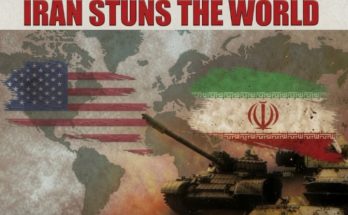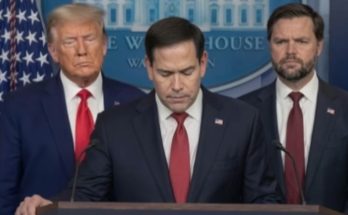
In late February 2026, tensions in the Middle East erupted into open conflict when the United States and Israel launched coordinated military strikes against Iran. What began as targeted air and missile attacks quickly escalated into a broader war, with Iran retaliating using ballistic missiles and drones, and the effects spreading from the Gulf region to global markets and international diplomacy. Origins of the Conflict
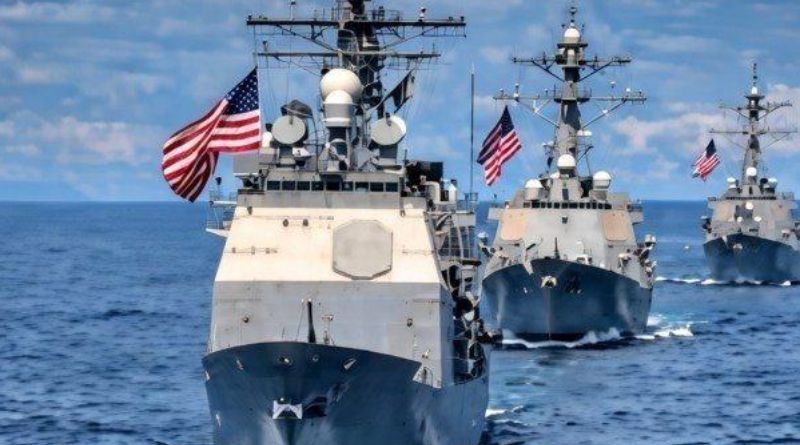
This war is the result of decades of friction between Iran, Israel, and the United States over regional influence, nuclear ambitions, and security alliances. Recent years saw proxy skirmishes, missile attacks, and disruptions to commercial shipping in the Red Sea and Gulf, notably involving Iranian‑aligned groups, prompting U.S. naval intervention. These tensions created conditions for open conflict.
The Spark: February 28 Strikes
The war began on 28 February 2026 with U.S. and Israeli airstrikes hitting Iranian military installations, command centers, and air defenses in cities including Tehran, Isfahan, and Qom. Reports suggest that Iran’s Supreme Leader Ayatollah Ali Khamenei was killed in one strike, escalating the crisis. U.S. officials stated the strikes targeted missile and drone programs to protect regional allies and prevent future attacks. Course of the War U.S. and Israeli forces have conducted extensive air campaigns using cruise missiles, HIMARS, and carrier-based aircraft. Iran has responded with ballistic missiles and drone attacks on Israeli cities and U.S. bases across the Gulf. Some attacks have caused casualties and infrastructure damage, though many were intercepted. U.S. troops have suffered casualties, particularly in Kuwait and Saudi Arabia, while the war has expanded to involve Iranian-aligned militias in Iraq and Hezbollah in Lebanon.
Global Reactions
The conflict has prompted mixed international responses. Some U.S. allies support the military action, while others call for diplomacy. The United Nations and major powers, including China and Russia, have urged restraint. Economically, oil prices have surged past $100 per barrel, and global markets have seen increased volatility. Humanitarian consequences are severe, with civilian casualties, displacement, and rising refugee flows Strategic Implications The U.S. aims to degrade Iran’s military capabilities and deter future aggression, though the scope of ground operations remains uncertain. Proxy conflicts and regional instability highlight the war’s broader risks. As the conflict continues, the international community faces urgent challenges in preventing escalation and pursuing diplomatic solutions.