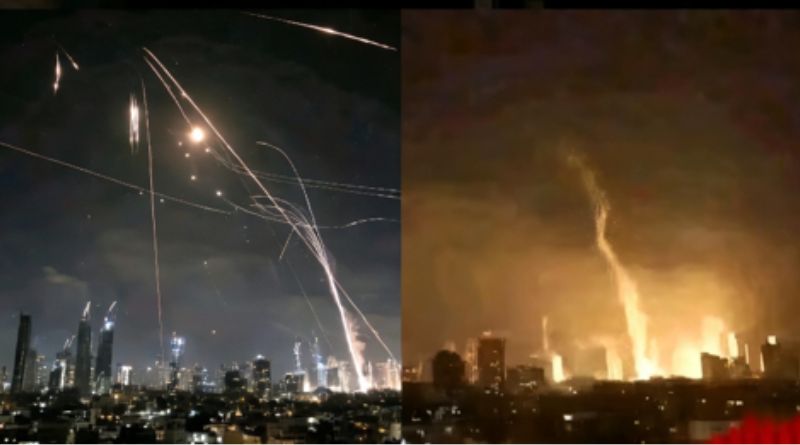
Recent developments suggest that Israel has entered a period of heightened security alert following reports of renewed tensions in the region. Government officials have confirmed that security forces are operating with increased readiness while several defensive measures have been activated as a precaution against potential threats. Although information remains limited and the situation continues to evolve, authorities have emphasized that these steps are intended to safeguard civilian populations and maintain stability. The Middle East has long been shaped by complex political and security dynamics, and Israel frequently finds itself at the center of these developments. Its geographic location places it near areas that have experienced periods of instability, armed conflict, and shifting alliances. Because of this environment, security alerts can arise quickly and often reflect broader regional trends rather than a single isolated event.
Officials report that multiple systems designed to protect the population have been placed on alert. These include expanded surveillance operations, strengthened intelligence cooperation among security agencies, and the activation of air defense infrastructure. Emergency medical services and civil defense teams have also increased their readiness to respond to potential incidents. Public safety announcements have encouraged residents to remain calm and follow guidance issued through official channels. Authorities have also warned against sharing unverified information, noting that misinformation can spread rapidly during periods of uncertainty and may contribute to unnecessary fear or confusion. Security experts point out that modern regional conflicts often involve a complex mixture of actors. In addition to national governments, non-state groups, regional alliances, and political organizations may influence developments. This complexity can make it difficult to clearly identify causes or responsibilities during the early stages of rising tensions.
Israeli leadership has indicated that the government is pursuing a balanced approach that includes both defensive preparedness and diplomatic communication. Strengthening security measures remains a priority, but officials have also maintained contact with international partners to encourage dialogue and reduce the likelihood of escalation. Global organizations such as the United Nations often play a role in situations like this by encouraging restraint and supporting humanitarian efforts. Calls for calm and cooperation are common as the international community monitors developments closely. As the situation continues to unfold, analysts will watch for changes in diplomatic engagement, security activity, and regional responses. While uncertainty remains, many observers emphasize that careful decision-making and international cooperation will be essential for maintaining stability and preventing further escalation.