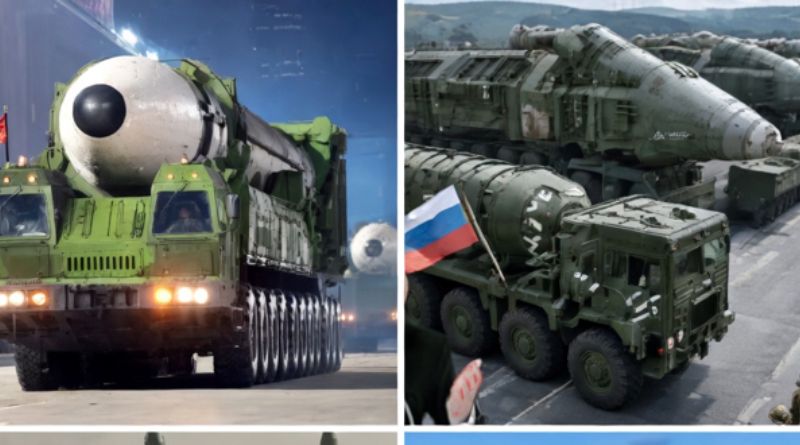
After the Russian invasion of Ukraine, the European Union has been forced to confront a question that once seemed distant: is the continent prepared for a major conflict? For decades, Europe relied on diplomacy, economic cooperation, and the security guarantees provided by the North Atlantic Treaty Organization. These arrangements helped maintain stability across the continent. However, the war in Ukraine has shaken those assumptions and exposed weaknesses in Europe’s defence readiness. Today, European leaders are working to strengthen military capabilities and strategic planning. With tensions between Europe and Russia still high, officials believe the continent must prepare for a more uncertain security environment.
A Continent Under Growing Pressure In Brussels, the political center of the EU, defence has become a central topic of discussion. The sense of urgency increased after Russia’s invasion demonstrated how quickly large-scale war could return to Europe. At the same time, political signals from the United States have encouraged European nations to assume greater responsibility for their own defence. Many policymakers now argue that relying heavily on American military support is no longer sustainable.
Strengthening Europe’s SecurityTo address these concerns, EU leaders approved a €90 billion financial package to support Ukraine and help stabilize its economy. Meanwhile, Ursula von der Leyen, president of the European Commission, has introduced new defence initiatives aimed at improving Europe’s military readiness by 2030. Warnings from security officials have also intensified. Vladimir Putin recently stated that Russia is prepared to continue fighting if necessary. At the same time, Mark Rutte cautioned that Russia could pose a threat to NATO territory within the next five years. These developments have pushed European leaders to act quickly as they attempt to strengthen the continent’s long-term security.