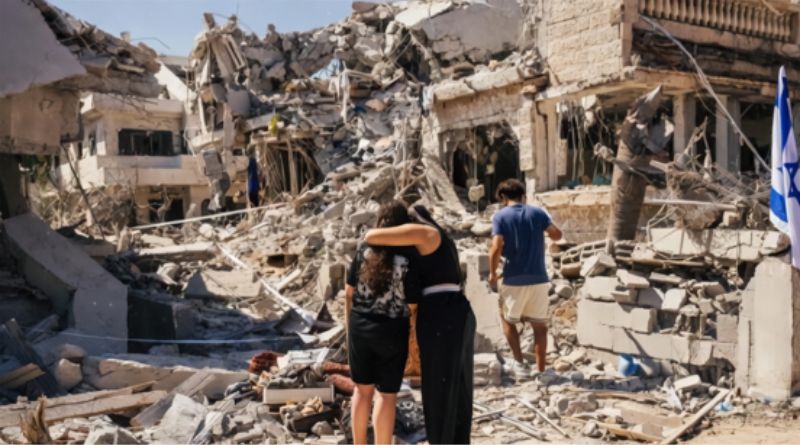
The Middle East has long been a region marked by tension, conflict, and complex geopolitical rivalries. As friction between Iran and Israel continues to rise, global attention has once again turned toward the region. The latest developments reveal a dangerous cycle of retaliation, military preparations, and growing uncertainty about what might come next. At the center of this situation are concerns about regional stability, civilian safety, and the possibility that a broader conflict could emerge.
Recent events highlight how quickly tensions can escalate. Iran’s continued development of advanced missile technology, including the Fattah-2 missile, has raised serious security concerns in Israel. In response, Israel has increased its military readiness and carried out airstrikes targeting Iranian-linked positions, particularly in Syria. These actions are part of an ongoing struggle for deterrence, with each side attempting to demonstrate strength while preventing the other from gaining a strategic advantage. The conflict reportedly intensified after missile launches were directed toward Israeli territory, including areas near Tel Aviv. Israel responded with strikes against what it described as Iranian military facilities, claiming the operations were necessary to neutralize potential threats. While both sides frame their actions as defensive, the cycle of attack and retaliation continues to heighten tensions.
Beyond the military dimension, the conflict raises serious concerns for civilians. Communities in affected areas face fear, disruption, and the risk of casualties as hostilities unfold. At the same time, analysts are debating the role of the United States, which maintains strong support for Israel while also seeking to prevent a wider war. The implications extend far beyond the two countries involved. Neighboring states such as Lebanon, Syria, and Iraq could be pulled into the conflict, potentially triggering broader instability across the region. In such a volatile environment, diplomatic dialogue and international cooperation remain essential to prevent further escalation and protect civilian lives.