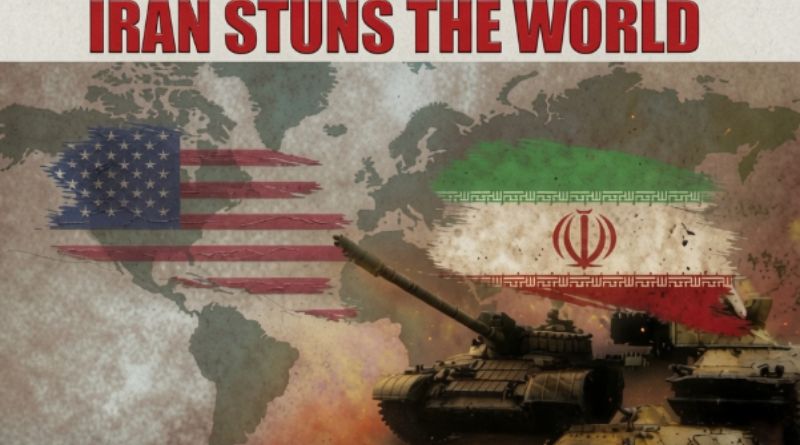
Diplomacy Under Fire: Trump Administration Pursues New Iran Deal Amid Strategic Military Strikes
The Trump administration is currently navigating a high-stakes geopolitical landscape, attempting to finalize a comprehensive agreement with Iran while simultaneously conducting military operations. Negotiations are currently being facilitated through diplomatic channels in Qatar, where officials are working to establish a new framework to end regional hostilities. A primary focus for the United States is the stabilization of the Strait of Hormuz, a critical artery for global energy. Secretary of State Marco Rubio, speaking from India, underscored the administration’s firm stance, declaring the closure of the waterway “unlawful” and “unacceptable” for the international community.While diplomatic representatives attempt to refine the language of a preliminary accord, U.S. Central Command has authorized “self-defense strikes” in southern Iran. According to Capt. Tim Hawkins, these operations targeted missile facilities and vessels involved in the placement of naval mines. These military actions, centered near the naval hub of Bandar Abbas, are designed to protect American personnel and assets in the Gulf of Oman and the Arabian Sea. Despite this kinetic escalation, the administration believes that military pressure has successfully increased Tehran’s willingness to engage in serious dialogue, adhering to President Donald Trump’s mantra of seeking a “good deal or no deal.”The proposed framework for the new agreement is significantly more stringent than the 2015 nuclear deal. Under the new terms, Iran would be required to eliminate its stockpile of highly enriched uranium and accept permanent, verifiable limits on its enrichment activities. In exchange, the United States would reportedly end its current naval blockade and begin a phased reduction of economic sanctions. Although Iranian Foreign Ministry spokesperson Esmaeil Baqaei confirmed that both nations have reached an understanding on several key issues, he warned that a final agreement is not yet guaranteed, accusing Washington of shifting its positions during the sensitive talks.The Trump administration remains critical of previous diplomatic efforts, arguing they provided economic relief without creating permanent safeguards against nuclear proliferation. Consequently, current negotiators are prioritizing technical details, verification procedures, and strict enforcement measures. As the talks in Qatar continue, the world remains watchful of this dual-track strategy of “maximum pressure” and direct engagement, which aims to produce a long-term settlement that secures global energy routes and permanently curtails Iran’s nuclear ambitions.