The U.S. House of Representatives has approved legislation to extend the federal Terrorism Risk Insurance Program (TRIA) through 2034, reaffirming bipartisan support for a program that has long helped stabilize the commercial insurance market against the financial impact of terrorist attacks.
Lawmakers passed H.R. 7128, the TRIA Program Reauthorization Act of 2026, by an overwhelming bipartisan vote of 373-15. Sponsored by Rep. Mike Flood of Nebraska, the bill now moves to the Senate, where lawmakers will consider whether to continue the program before its current authorization expires at the end of 2027.
Congress originally created TRIA after the September 11, 2001, terrorist attacks, when many insurers and reinsurers withdrew from the terrorism insurance market due to the unpredictable nature of such risks. The program established a public-private partnership that allows private insurers to continue offering terrorism coverage while providing a federal financial backstop for exceptionally large certified terrorist events.
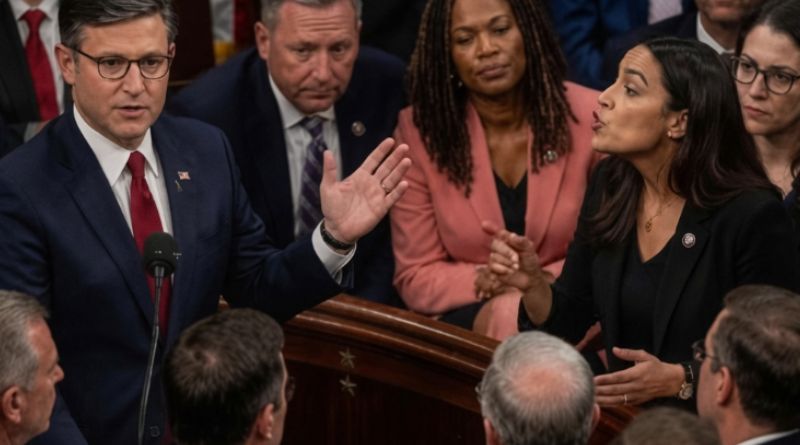
During House debate, Financial Services Committee Chairman Rep. French Hill said the program gives businesses, investors, and developers the confidence they need to pursue major construction and commercial projects. He noted that access to terrorism insurance supports projects such as office buildings, stadiums, shopping centers, and other developments that create jobs and contribute to economic growth.
Flood said the legislation not only extends the program but also modernizes it by strengthening taxpayer protections and increasing transparency. He emphasized that TRIA has never been used to pay a claim, calling that record evidence of its role in preserving market stability rather than serving as a frequent source of federal assistance.
Among the bill’s key provisions is an increase in the minimum insured-loss threshold required to certify an act of terrorism under the program. Beginning in 2029, that threshold would rise from $5 million to $10 million, meaning larger losses would be necessary before federal support becomes available.
The legislation also gives the Treasury Department explicit authority to issue public notifications explaining its process for determining whether an incident qualifies as a certified act of terrorism.
Supporters say these reforms improve transparency while maintaining the program’s original structure. Private insurers will continue covering initial losses, while the federal government would participate only after losses exceed established thresholds.
Business organizations, including the U.S. Chamber of Commerce and the American Bankers Association, have endorsed the extension, arguing that reliable terrorism insurance is essential for commercial lending, real estate development, infrastructure investment, and large public venues.
Supporters also warn that allowing the program to expire could reduce the availability of terrorism coverage, increase insurance costs, and complicate financing for major projects. With House approval complete, the measure now advances to the Senate for further consideration, where lawmakers will determine whether to extend the long-standing program through 2034.