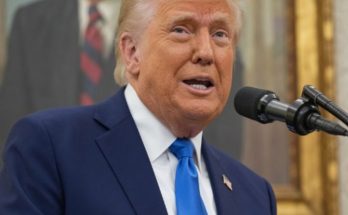
The international community is closely watching the latest tensions surrounding reported U.S. and Israeli strikes on Iranian targets. In statements following the operation, President Donald Trump described the attack as “very successful,” presenting it as a decisive step against Iran’s nuclear and missile capabilities. According to his remarks, the strikes were intended to weaken key military infrastructure and send a strong warning to Tehran.
Iranian officials reacted sharply. Foreign Minister Abbas Araghchi condemned the operation as a violation of international law and Iranian sovereignty. He said Tehran reserves the right to defend itself and warned that the country has multiple options for responding if attacks continue. His comments reflect Iran’s longstanding position that external military actions against its territory will not go unanswered. Some reports suggest that the early stages of the campaign focused primarily on command centers, missile systems, and air-defense installations rather than directly targeting nuclear enrichment facilities. Sites connected to Iran’s nuclear program include the Natanz Nuclear Facility, the Fordow Fuel Enrichment Plant, and the Isfahan Nuclear Technology Center. Monitoring of these facilities is typically conducted by the International Atomic Energy Agency, which plays a key role in assessing potential damage or nuclear risks.
Global reactions have been mixed. Some political leaders in Washington and Jerusalem praised the operation as a necessary move to counter a perceived nuclear threat. Meanwhile, European governments urged restraint and called for diplomatic solutions to prevent further escalation. At the United Nations, diplomats emphasized the importance of avoiding a wider conflict that could destabilize the region. For now, uncertainty remains about the full impact of the strikes and whether tensions will escalate further or move toward renewed diplomatic negotiations.