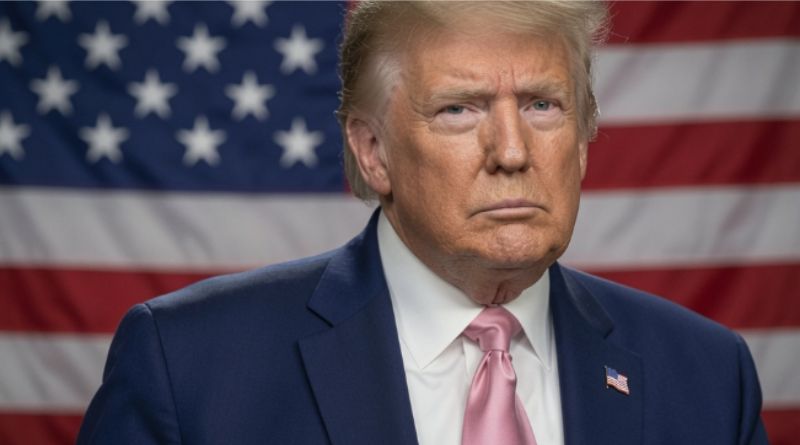
Washington, D.C., changed dramatically after President Donald Trump signed an order expanding the federal government’s role in public safety across the nation’s capital. Within days, residents noticed a stronger law enforcement presence, with federal officers and vehicles becoming a common sight in many neighborhoods. While some welcomed the shift, others said it introduced a new set of concerns.
Supporters of the move point to declining crime statistics and say the increased federal presence has made them feel safer. Some residents report feeling more comfortable walking through their neighborhoods at night, while community message boards that once filled with reports of thefts, assaults, and suspicious activity have become noticeably quieter. To them, the operation represents a long-awaited response to persistent public safety concerns that local leaders had struggled to address.
Others, however, describe a very different experience. Civil rights advocates and some community members argue that the heightened federal presence has created uncertainty and anxiety, particularly among immigrant families concerned about possible immigration enforcement. Parents have reportedly begun discussing with their children how to respond if approached by federal officers, while some residents say they are more hesitant to interact with law enforcement than before.
The expanded operation has also raised questions about coordination among agencies. With federal officers working alongside local police and other specialized units, some observers have questioned how responsibilities are divided and whether overlapping authority could create confusion during emergencies.
Beyond its immediate impact on crime, the policy has sparked a broader national debate over the balance between public safety and civil liberties. Supporters argue that stronger enforcement is necessary to restore order, while critics warn that aggressive policing can erode trust between communities and government institutions.
As Washington continues adjusting to the expanded federal role, the city has become a focal point in a larger conversation about the responsibilities of government, the limits of federal authority, and what effective public safety should look like in a democratic society. Whether the policy proves to be a lasting success or a source of continued controversy, it has already reshaped the discussion over law enforcement and governance in the nation’s capital.