The Strategic Ascent: Donald Trump Jr. Expands His Influence Within the Republican Party
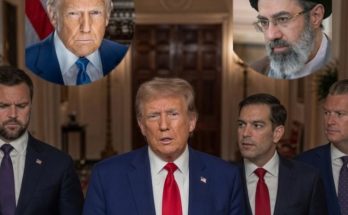
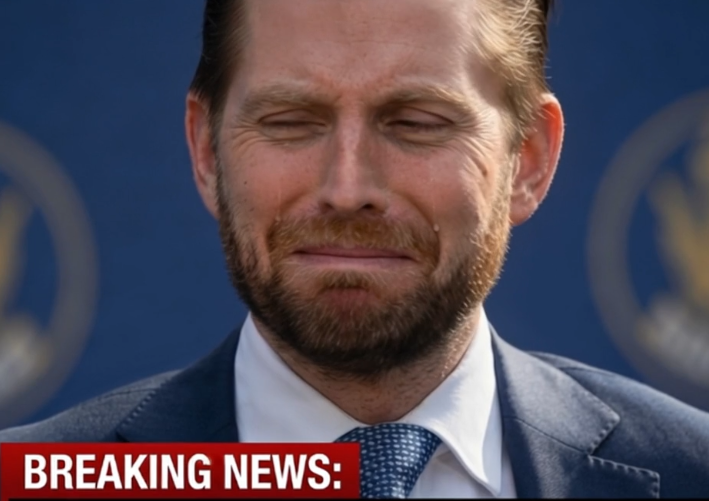
Donald Trump Jr., the eldest son of President Donald Trump, has become an increasingly influential figure within the Republican Party. Once known primarily as a campaign surrogate and outspoken defender of his father, he has taken on a broader role that includes candidate recruitment, political advocacy, fundraising, and engagement with the party’s grassroots supporters.
His influence has drawn particular attention in recent election cycles. Multiple news reports have described Trump Jr. as playing an important behind-the-scenes role in encouraging Sen. JD Vance’s selection as the Republican vice-presidential nominee in 2024. Political observers also note that he has worked to promote a new generation of candidates aligned with the “America First” agenda by endorsing contenders in key races and using his social media platforms to amplify their campaigns.
Beyond electoral politics, Trump Jr. has expanded his involvement in conservative political and business networks. Reports indicate that he has helped cultivate relationships among donors, entrepreneurs, and emerging Republican leaders while participating in ventures that combine political engagement with conservative-oriented business interests. Through podcast appearances, speeches, and online commentary, he continues to communicate with Republican voters on issues including immigration, border security, economic policy, and cultural debates.
His growing role has generated differing assessments. Supporters argue that Trump Jr. has become an effective organizer and communicator who is helping build the Republican Party’s future leadership and maintain momentum within the MAGA movement. Critics, however, contend that the prominence of the Trump family within the party raises questions about internal diversity of leadership and the Republican Party’s long-term electoral strategy and appeal to a broader electorate.
As President Trump’s administration continues, Donald Trump Jr.’s political influence appears likely to remain significant. Whether through candidate recruitment, strategic advising, media engagement, or coalition building, his activities are expected to play an important role in shaping the Republican Party’s direction in future election cycles. How that influence translates into electoral success and policy outcomes will continue to be closely watched by supporters, critics, and political analysts alike.